 Credit Score Education
 Credit Reporting & Consumer Rights
 Personal Finance Tips
 Budgeting & Money Management
 Identity Theft & Fraud Prevention
 Credit Card Education
 Consumer Financial News
 Cost of Living & Inflation
 Banking & Savings Education
 Consumer Protection & Financial Literacy

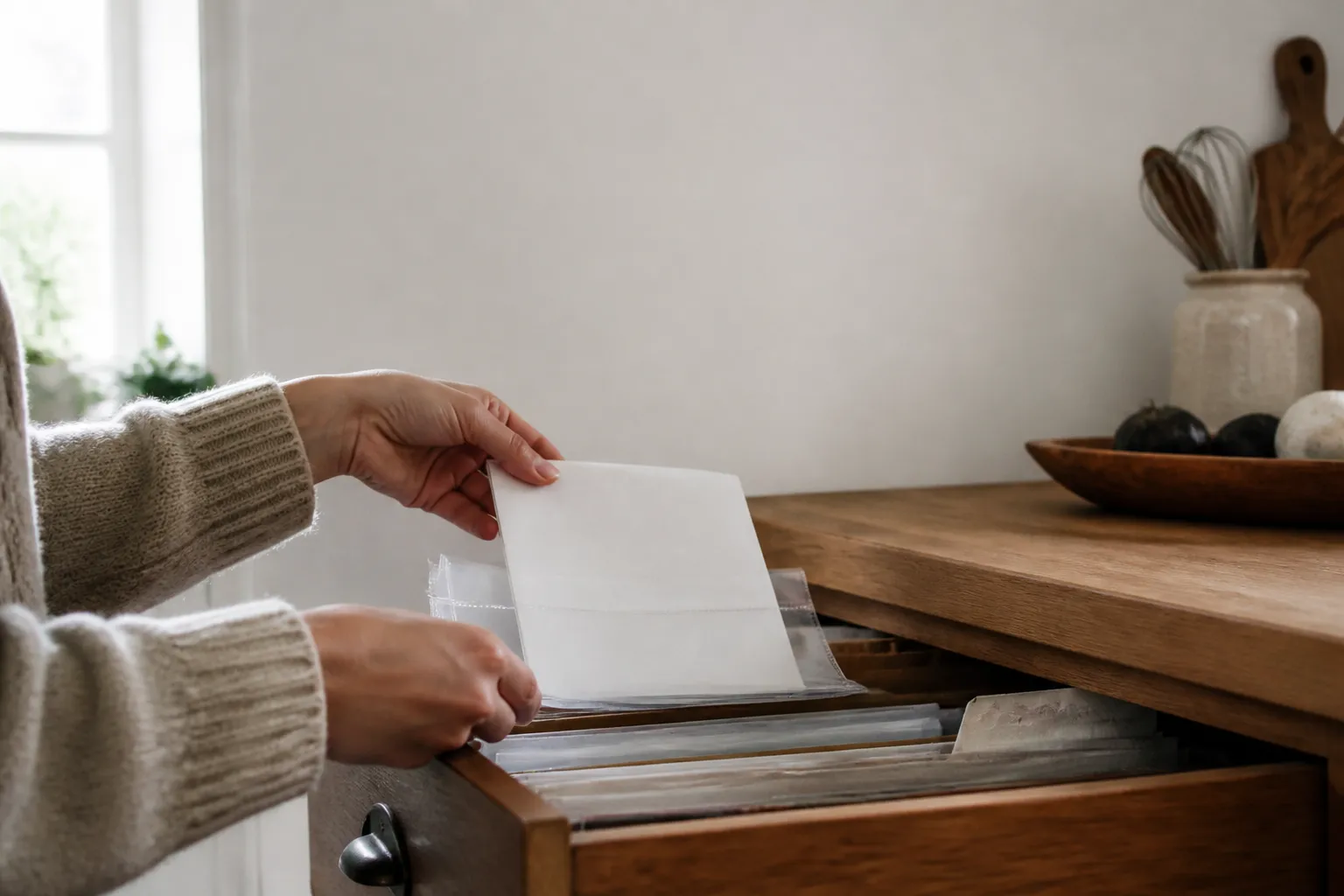
A household emergency contact sheet is a quick-reference page for the people, accounts, and documents you may need during a disaster or another financial emergency. The goal is to find the right contact fast, even if your usual phone, internet connection, or files are unavailable. Here is a practical way to build one and keep it useful.

Start with a page that answers a few immediate questions: Who should we call? Which account or policy is involved? Where are the supporting documents? The sheet does not have to hold every detail. It can act as an index to information kept in safer places.
That small step can matter when normal routines break down. The Consumer Financial Protection Bureau says people may need financial records to apply for aid or ask for help after an emergency. Its disaster preparedness guidance includes a checklist for gathering key names and contact information.
Preparation is uneven. An April 2025 AICPA/Harris Poll found that 32% of Americans had taken no financial steps to prepare for a natural disaster, while 66% said a disaster would have a major or moderate impact on their finances. A contact sheet cannot prevent a loss, but it can reduce the scramble to locate basic information.
Choose a format your household can maintain
Use a format that fits how your household handles important records. The CFPB and FEMA checklist is a straightforward starting point for names and phone numbers. You can download the CFPB checklist, adapt its prompts, or build a page of your own. FEMA also provides broader preparedness materials for organizing household financial information.
A paper copy can be useful if a device is out of power, but a single copy kept beside the documents it points to may be hard to reach. Some households keep copies in separate secure locations. A digital backup may also help if it is accessible when needed and protected from people who should not see it. Decide which records belong on paper, which can be backed up digitally, and where each copy will be kept.
Keep the sheet short enough to scan under pressure. Use clear labels and ordinary language, such as “electric bill” or “auto insurance,” instead of abbreviations only one person understands. Make a copy and tell household members where the current version is stored. Do not assume that someone will know to look in a particular drawer or account.
List the contacts and records that matter
For each major account, write down the institution or service name, the account identifier you need to recognize it, and a reliable phone number. Consider housing, utilities, loans, and credit card accounts. A number printed on a recent statement or official account document can be easier to verify later than a number saved only in a phone.
Add insurance company names, policy numbers, and the type of coverage, such as homeowner’s or renter’s, auto, and health insurance. Include primary and backup household contacts, plus a trusted person outside the area who may be able to pass along messages. Ask each person before listing them, and make sure they know what role you expect them to play.
The CFPB checklist also identifies documents households may want to gather, including identity papers, property titles, tax and employment records, medical information, and wills or powers of attorney. The contact sheet can say where those records are stored without reproducing every sensitive detail. For passwords, avoid writing them on a page that is easy to find. The reviewed government materials do not prescribe a password-storage method, so keep access information separate and protected.
Fraud can also follow disasters. AICPA survey results report that more than one-third of Americans have experienced fraud after a disaster. Keep a known, official contact route for important accounts so an unexpected request can be checked independently. If you are considering fraud alerts or credit bureau steps, check current instructions from the credit bureaus or the Federal Trade Commission rather than relying on an unverified number or an old note.
Protect the sheet and think through access
The contact sheet is useful only if it is both available and reasonably secure. Keep paper records in a safe place, such as a safe deposit box or a fire- and water-resistant home safe, and consider a secure digital backup for documents that would be difficult to replace. Avoid putting sensitive records in an exposed location just because it is convenient.
Think through what household members would need if a bank branch or ATM were inaccessible. Some households keep a portion of emergency savings as cash in a secure place. The FDIC’s guidance on preparing finances for an unanticipated disaster is one official resource to consult. AICPA guidance also cautions against relying mainly on retirement accounts, home equity, or high-interest credit cards to cover emergencies. These are planning considerations, not a one-size-fits-all formula.
Review insurance policies and consider making a photo or video inventory of belongings. That record may help document what was in a home if property is damaged. In the 2025 AICPA survey, 31% of respondents said they had evaluated insurance needs and 30% had inventoried assets for insurance. A quick note on the sheet can point to the policy files and the location of any inventory.
Set a review date and a backup plan
Put a review date on the sheet and revisit it at least once a year. Check account phone numbers, policy details, document locations, and the names of people listed as contacts. Update it after a move, a new account, a change in insurance, or another major household change. AICPA survey results found that 19% of Americans had created or updated an estate plan or will, so checking whether those documents exist and where they are stored may reveal a gap.
Finally, make sure more than one household member knows how to use the sheet. Agree on a primary contact and a backup contact, and discuss how to reach each other if phones or internet service fail. The sources reviewed do not set out a universal secure-sharing method or steps for replacing documents that are lost. For those situations, use current official guidance from the relevant agency or service provider. A yearly check and a second copy will not solve every emergency, but they can make a short list of important calls easier to find when time is limited.
Please seek a professional. This article is general information, not financial, tax or insurance advice. Please seek a licensed financial, tax or insurance professional about your own situation.


