Credit Score Education
 Credit Reporting & Consumer Rights
 Personal Finance Tips
 Budgeting & Money Management
 Identity Theft & Fraud Prevention
 Credit Card Education
 Consumer Financial News
 Cost of Living & Inflation
 Banking & Savings Education
 Consumer Protection & Financial Literacy

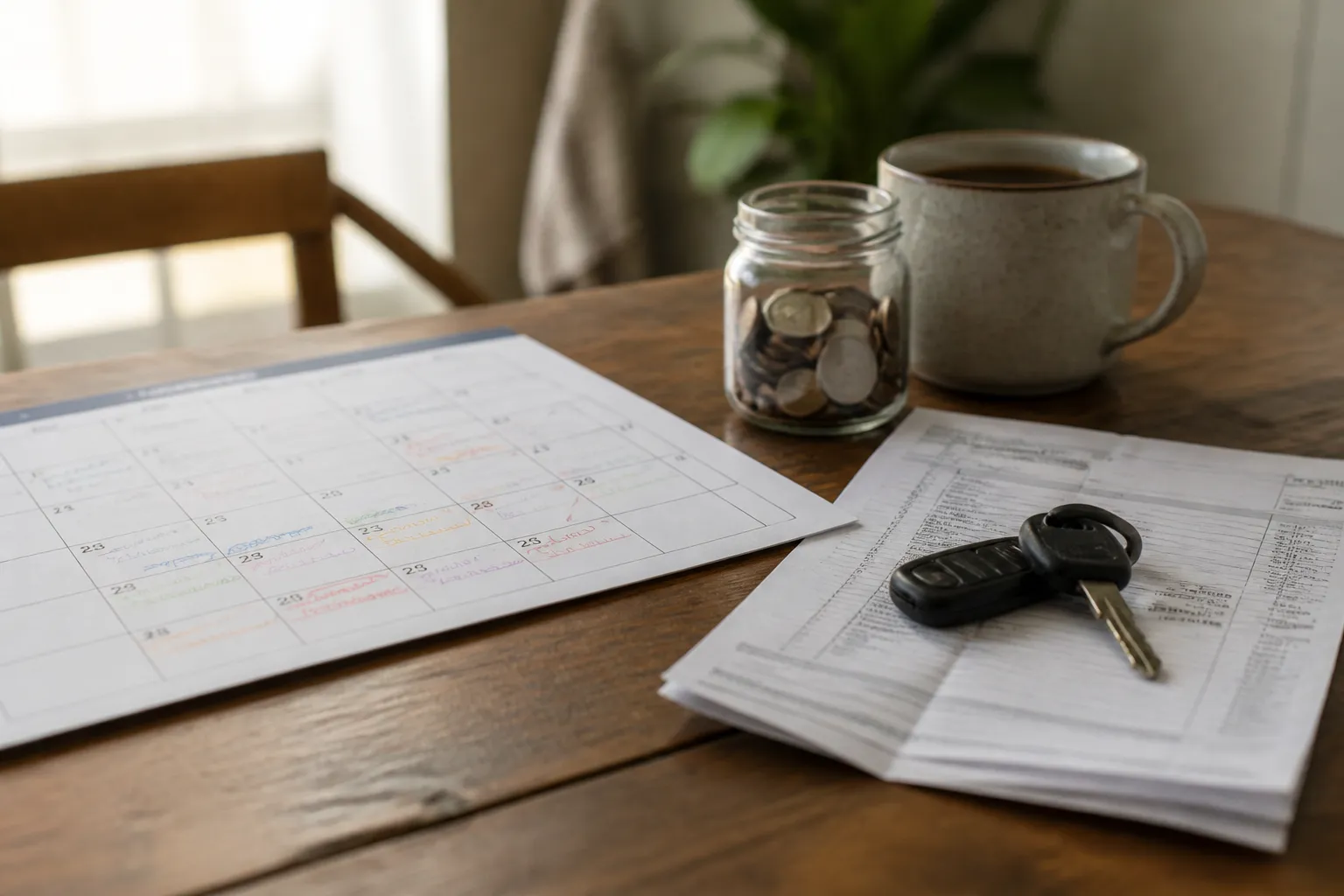
Picture a car repair estimate arriving two days before rent is due. The question is not only how much the repair costs. It is what cash is already set aside, what bills still need to clear, and whether the next paycheck has another job. An emergency fund is meant for that gap. It is a separate cash reserve for unplanned costs, including repairs, medical bills, or a loss of income, rather than another name for a checking-account cushion.

A useful target starts with the bills that keep daily life running. Write down the due dates and usual amounts for housing, utilities, food, insurance, transportation, minimum debt payments, medications, and other essentials. This is not a perfect prediction of every month. It is a working number for translating broad advice, such as three months of expenses, into a dollar amount that has meaning in your calendar.
The fund is different from available credit, retirement savings, or property you own. A credit card may be a payment tool, but it can leave a balance to repay. Pulling money from a long-term account or selling an asset can bring different costs and delays. Cash reserved for an emergency can give a household more choices when a bill cannot wait.
For August 2026, the most practical question may be smaller than a final savings target: if a necessary expense showed up before the next payday, which scheduled bill would be affected? That answer can help identify an early goal. Even a few hundred dollars may change how a modest surprise is handled.
Start with the purpose, not a magic number
The Consumer Financial Protection Bureau describes emergency savings as money for expenses outside routine monthly spending. A broken appliance, urgent dental bill, or reduced work hours may qualify. A planned holiday purchase or annual subscription generally belongs in a different savings category because it can be anticipated and placed on the calendar.
Keeping the categories separate can make the fund easier to protect. If every irregular expense is called an emergency, the balance may disappear for costs that were expected but not planned for. A simple approach is to note known nonmonthly bills, such as a renewal or seasonal expense, separately from a reserve for genuinely unexpected problems.
A dedicated reserve may also reduce the chance that an unexpected cost leads directly to credit card debt or a high-cost loan. That is not a guarantee, and cash will not solve every large expense. But it can create time to review options instead of making a rushed choice. The CFPB offers an emergency fund guide organized around what the fund is, why it matters, how to build it, and when to use it.
Translate months of expenses into your bill calendar
Common guidelines often start at three months of living expenses and may extend to six to eight months. Those ranges are reference points, not a requirement that fits every household. The relevant number is usually essential monthly spending, not necessarily every dollar spent in a typical month.
For example, someone whose core monthly bills total $2,400 could use that figure to map milestones. One month would be $2,400, three months would be $7,200, and six months would be $14,400. The arithmetic is straightforward. Deciding which expenses are truly essential may take more care. A bill calendar can help by showing what must be paid before another paycheck arrives.
Income patterns can affect the target. A household relying on one paycheck, freelance assignments, seasonal work, commissions, or irregular shifts may want a larger buffer than a household with two stable paychecks. Health needs, dependents, an older vehicle, and a home with repair responsibilities can also affect the size of a disruption. These are tradeoffs to weigh, not a formula that can predict an emergency.
- First milestone: enough to cover one small, urgent expense without disrupting rent or utilities.
- Next milestone: one month of core bills shown on the calendar.
- Longer-term range: several months of core expenses, adjusted for income stability and household obligations.
Build the reserve in repeatable steps
A large target can make saving feel impossible if it is treated as one task. A recurring transfer of $25 or $50 after each pay period may be more workable than waiting for a single large deposit. The amount matters, but consistency can matter just as much because it turns the fund into a routine bill to yourself.
Unexpected money may also have a role. A tax refund, work bonus, rebate, or cash gift could be divided between current needs and the reserve. There is no universal split. The useful question is what other bill is competing for that money, and what a future surprise might otherwise force you to delay.
After using the fund, add replenishment to the next bill-calendar review. The goal is not to avoid using emergency savings forever. A reserve exists to be used for a real disruption. Rebuilding it gradually after the event may help prepare for the next one.
Keep the money reachable, but separate
Emergency savings is commonly held in an account that can be accessed without a long delay, while remaining separate from everyday spending. That separation may make it less tempting to use the balance for takeout, sale purchases, or routine shortfalls. Cash stored at home can be lost, misplaced, or stolen, which is one reason many households avoid using it as their primary reserve.
Account terms and savings rates change. Before opening or moving money to an account, review the institution's current disclosures, access rules, fees, and any applicable protections. The available materials do not provide current yields or explain how to verify insurance for a specific account. The FDIC consumer resource is a useful official starting point for learning more about saving for unexpected expenses.
Use a check-in that fits the next bill cycle
A monthly check-in can keep the target connected to real life. Review the upcoming due dates, confirm the reserve is separate from spending money, and note any change in work hours, insurance costs, or household responsibilities. If the calendar has become more expensive, the emergency-fund target may need to change too.
There is no evidence that one balance is right for every household. A 2026 Harris Poll conducted for the American Institute of CPAs found that 78% of Americans had at least some emergency savings, while 22% had none. That gap is a reminder that progress can start before the ideal target is reached. The AICPA and CIMA overview notes that small regular contributions can add up over time.
This article is educational only and is not personal financial, legal, or tax advice. For help understanding savings habits, consumer protections, or a difficult financial situation, readers may consult official materials from the CFPB and other relevant government agencies.
Please seek a professional. This article is general information, not financial, tax or insurance advice. Please seek a licensed financial, tax or insurance professional about your own situation.