 Credit Score Education
 Credit Reporting & Consumer Rights
 Personal Finance Tips
 Budgeting & Money Management
 Identity Theft & Fraud Prevention
 Credit Card Education
 Consumer Financial News
 Cost of Living & Inflation
 Banking & Savings Education
 Consumer Protection & Financial Literacy


You tap a card at the pump, fill up, and drive off. A few minutes later your banking app shows a charge far larger than the gas you bought. Nothing has gone wrong. That is a pre-authorization hold, and it works in stages.
First the terminal asks your bank to confirm the account can cover an expected charge. Because the final total is unknown at the start of a fill-up or a hotel stay, the merchant asks for an estimate. Your bank then sets that amount aside. Your available balance drops. When the final amount is set, the hold is released.
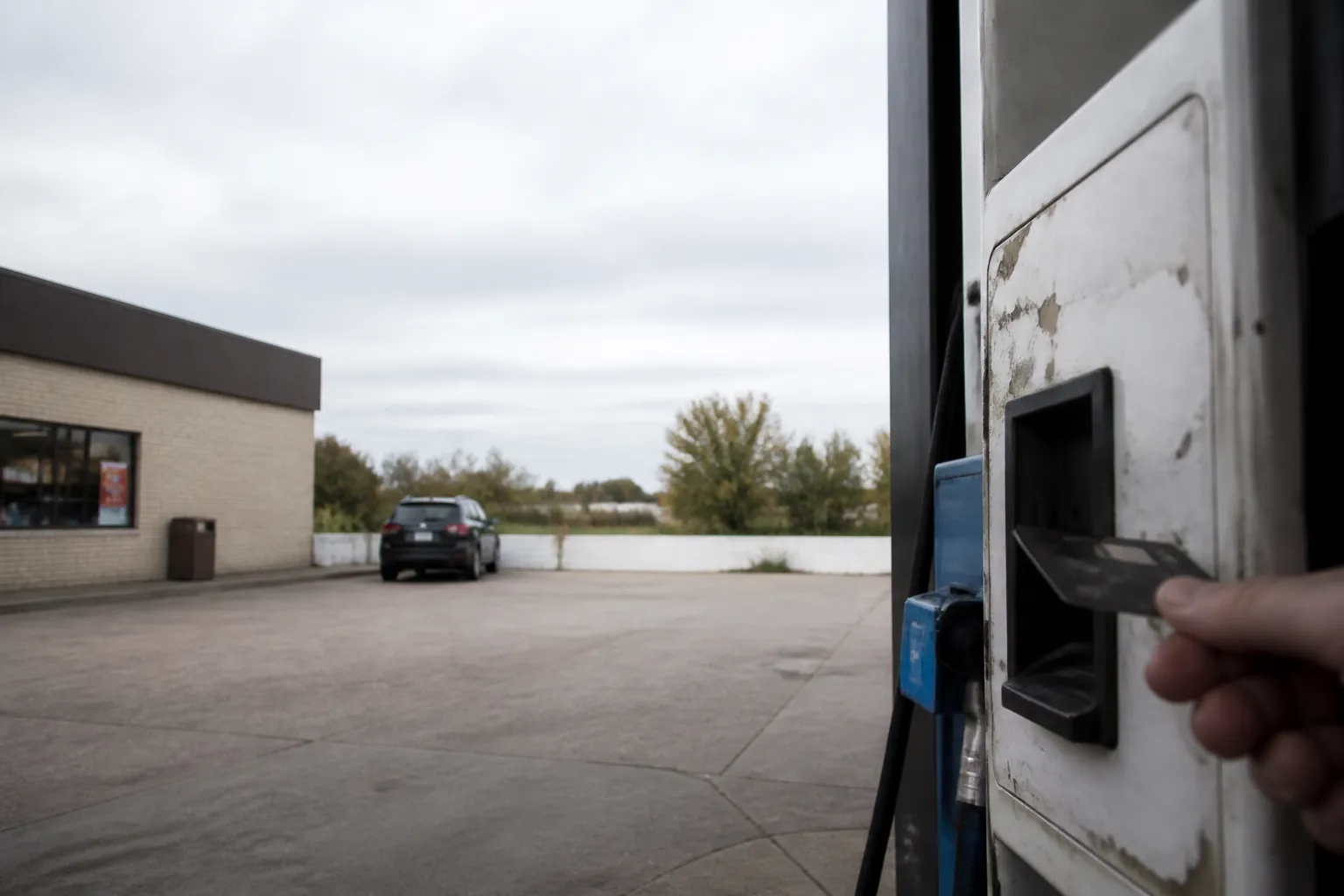
What a debit card hold is and why merchants use it
A hold is a temporary earmark on your deposits. It is not a completed transfer of cash. Merchants use holds because the pump has to turn on before anyone knows the final cost. Without a check first, the seller would carry the risk that the account is empty.
Two parties are involved. According to the Georgia Attorney General's Consumer Protection Division, the merchant sets the hold amount, and the issuing bank controls how long the hold lasts. So a store can finish its side quickly and your money can still stay tied up until your bank acts. Once the final amount is set, the hold is released, though clearing can take hours or longer depending on the systems the businesses use.
Gas station pump holds and card network ceilings
Gas pumps are where most people first notice holds. As reported by WPXI, Visa and Mastercard authorized stations to hold up to $175 at the pump. The earlier level was $125, and the increase was reported in June 2022 as gas prices climbed.
That figure is a ceiling, not a rule. Gas stations decide whether to place a hold and how much, even though the networks raised their limits. The reporting also notes the tradeoff. A high hold raises the chance of an overdraft for the driver. A low hold risks the merchant not being paid. The sources do not give current limits, so the $175 number may have changed. Check with your bank or the station if the amount matters to you.
Incidentals at hotels, rental cars, and restaurants
Gas is not the only place this happens. The Georgia guidance says hotels and rental car companies also commonly place holds on debit and credit cards to cover anticipated charges, and restaurants may too. The idea is the same. The business wants a cushion for costs it cannot yet total, such as extra nights or damage.
The sources reviewed do not say how much hotels or rental companies hold, or how long those holds last. Amounts vary by business. The practical move is to ask at check-in how much will be held and when it will be released. If you pay by debit, ask whether the transaction runs as a PIN or signature purchase. The Georgia guidance describes PIN transactions as offering greater security and an immediate release of the hold.
How long holds last and how they affect your balance
Holds are usually lifted in a few hours. For some cards, banks may take up to three days to clear the transaction and remove the hold, according to the sources. The sources do not break durations down by bank or card type.
While a hold is active, your available balance is lower than the money you actually have. Picture $200 in checking and a $175 hold from a $30 fill-up. For a while you could only spend about $25. That is an illustration, not a figure from the sources. The Georgia guidance warns that checks can bounce even when money is in the account if you do not allow for the hold period. AAA, as cited by WPXI, describes holds as no big deal with enough cash or credit, but a problem when they limit purchasing power or leave a person in arrears.
Overdraft fees are a related worry. CFPB Circular 2022-06 says fees on transactions a consumer would not reasonably anticipate are likely unfair under the Consumer Financial Protection Act. That includes cases where the account had enough available balance when the payment was authorized but a fee was charged anyway. The circular does not directly address debit card pre-authorization holds, and the sources do not cover federal rules on hold timing.
Practical steps to reduce surprises
A few habits lower the odds of a bad week. The sources point to these:
- Pay inside: Paying for a set amount inside the store, by card or cash, avoids a pump hold.
- Use a PIN: Where offered, a PIN is described as speeding release of the hold.
- Keep a cushion: Leave enough available balance to cover the hold plus pending purchases, especially near payday or before a check clears.
If a hold sits on your account for days, call your bank and ask how long it will last and whether it affects your available balance. The sources do not explain how to dispute a hold, so ask your bank directly. If a fee hits an account that looked funded at authorization, review your account agreement and raise it with the bank.
Please seek a professional. This article is general information, not financial, tax or insurance advice. Please seek a licensed financial, tax or insurance professional about your own situation.


