Credit Score Education
 Credit Reporting & Consumer Rights
 Personal Finance Tips
 Budgeting & Money Management
 Identity Theft & Fraud Prevention
 Credit Card Education
 Consumer Financial News
 Cost of Living & Inflation
 Banking & Savings Education
 Consumer Protection & Financial Literacy


Why Speed Matters When a Card Goes Missing
A misplaced credit card creates immediate questions about who pays for fraudulently processed transactions. Under federal statutory protections, the timing of your notification to the card issuer dictates your financial exposure.
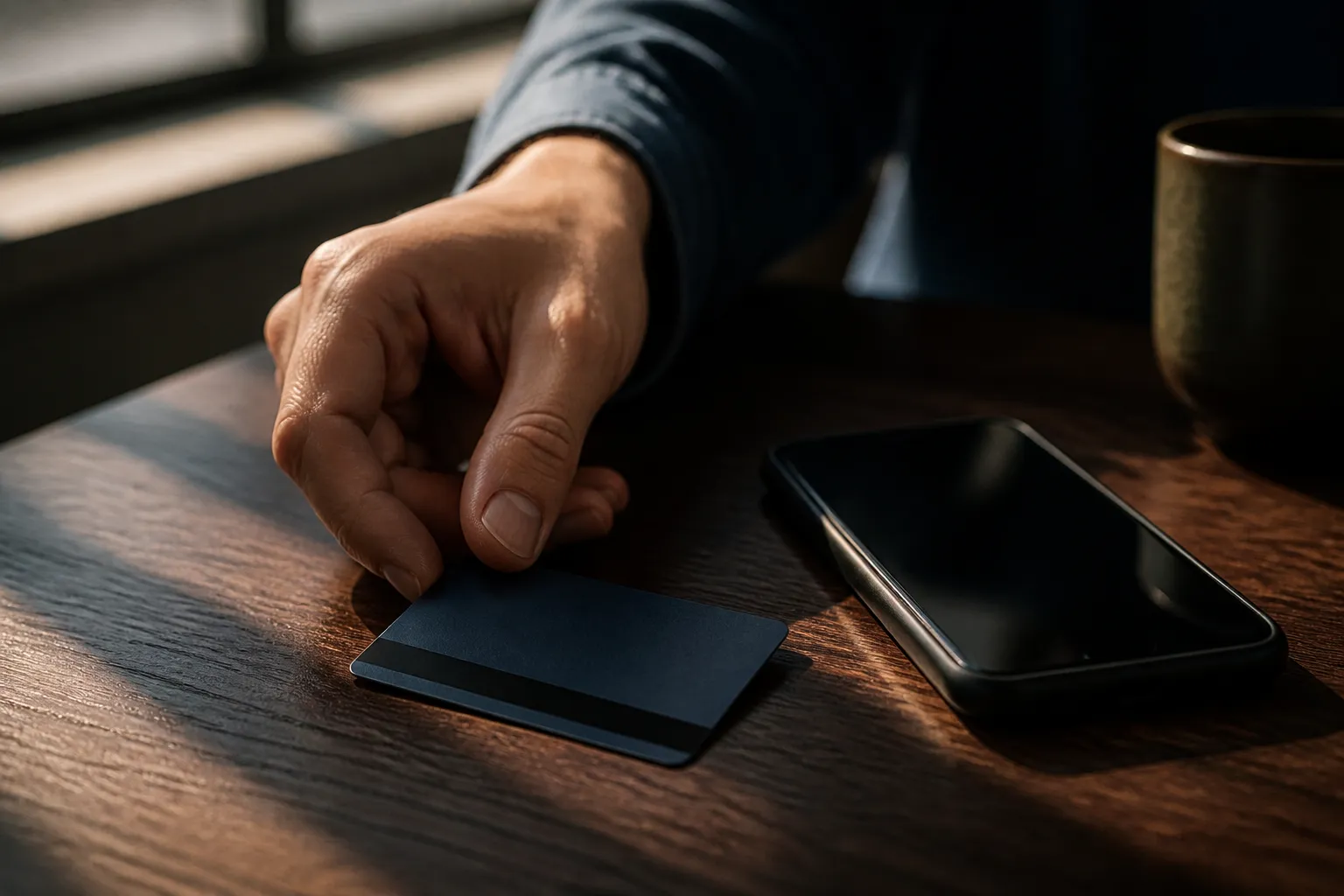
Many cardholders assume that losing a card means automatically suffering a financial loss. Federal regulations establish clear boundaries. According to statutory guidance from the CFPB's answers on cardholder liability, if you notify your card issuer before an unauthorized charge occurs, you cannot be held responsible for any third-party transactions placed on that card.
If unauthorized transactions take place before you report the physical card missing, federal rules cap your maximum liability at $50 per card. Many card issuers go further by providing zero-liability terms in their account agreements, which can reduce your responsibility to zero. Furthermore, if a dishonest party uses your credit card number without taking the physical card, federal guidelines clarify that you carry no liability for those unauthorized online or phone charges, though contacting the bank promptly remains critical.
Calling the Issuer and Documenting Your Notice
The fastest way to notify an issuer is by telephone or through an online banking portal. You can find the customer service phone number on a recent billing statement or inside your financial institution's mobile application. Many credit card issuers maintain 24-hour reporting hotlines or automated web portals to take lost-card notices right away. During the initial conversation, review recent account activity with the representative line by line. Be careful to confirm only the purchases you authorized, as mistakenly claiming legitimate purchases were unauthorized can violate your card contract and constitute billing fraud.
Scammers sometimes target consumers who have lost cards by calling directly while pretending to represent bank fraud departments. To protect your account, never provide sensitive PINs or security codes during unsolicited incoming calls. Hang up and call the customer service phone number printed directly on your official paper billing statement.
Follow up your phone call with a written letter to build a permanent record of your notice. According to HelpWithMyBank lost card guidelines, this letter should be sent to the address designated specifically for lost or stolen cards, which can differ from the regular billing address. Your written record should include the full name on the account, the mailing address, the date you noticed the card missing, and the date you first called. Keep a copy for your files, and do not include routine bill payments in this special notification letter unless directed to do so.
What Happens After You File the Report
After receiving your notification, the issuer cancels the lost card number and issues a replacement card with a new expiration date and security code. Shipping times depend on the institution, though replacement cards frequently arrive within three to five business days. Some banks provide instant digital card numbers inside their mobile app so you can resume making authorized online payments while awaiting physical mail delivery.
Modern banking apps often include feature controls that let you lock or freeze a card temporarily. Locking a card blocks new purchase authorizations while keeping recurring bill pay active. If you suspect the card is simply misplaced in your home, locking it provides immediate security while you look. However, if you confirm the card is stolen or permanently lost, request a complete account cancellation and reissue rather than relying on a temporary pause.
In the months following the report, monitor your account statements carefully. If an unauthorized line item appears after your notice, you must file a separate dispute. Under FTC guidance on lost credit cards, disputing a specific charge requires sending a detailed written letter to the issuer's designated billing-error address within established billing timelines.
Additional Protections and Questions to Ask
Beyond credit card regulations, auxiliary insurance policies may provide extra coverage. Certain homeowner's or renter's insurance contracts contain provisions covering financial theft related to payment cards. Reviewing your policy terms or speaking with your insurance agent can reveal whether your policy includes this coverage or allows you to add an endorsement.
If you cannot locate your physical cardholder agreement, you can search for a copy in the CFPB's Credit Card Agreement Database. Reading your specific contract helps confirm whether your issuer waives all liability beyond the statutory $50 maximum and outlines where administrative mail should be sent.
When you speak with customer service representatives after a card goes missing, asking targeted questions helps protect your rights:
- Does my agreement waive liability for unauthorized spend prior to my report?
- What is the exact mailing address designated for lost or stolen card written notices?
- Can I lock the card in the mobile application while verifying recent charges?
- How long will the replacement card take to arrive, and are temporary virtual numbers available?
If unauthorized charges show up on subsequent statements, file a written dispute immediately. Federal consumer rights are designed to protect vigilant cardholders, but preserving those protections requires quick reporting and thorough written records. Consumers seeking additional details regarding dispute procedures and identity safeguards can review official publications on the CFPB and FTC websites.
Please seek a professional. This article is general information, not financial, tax or insurance advice. Please seek a licensed financial, tax or insurance professional about your own situation.