 Credit Score Education
 Credit Reporting & Consumer Rights
 Personal Finance Tips
 Budgeting & Money Management
 Identity Theft & Fraud Prevention
 Credit Card Education
 Consumer Financial News
 Cost of Living & Inflation
 Banking & Savings Education
 Consumer Protection & Financial Literacy

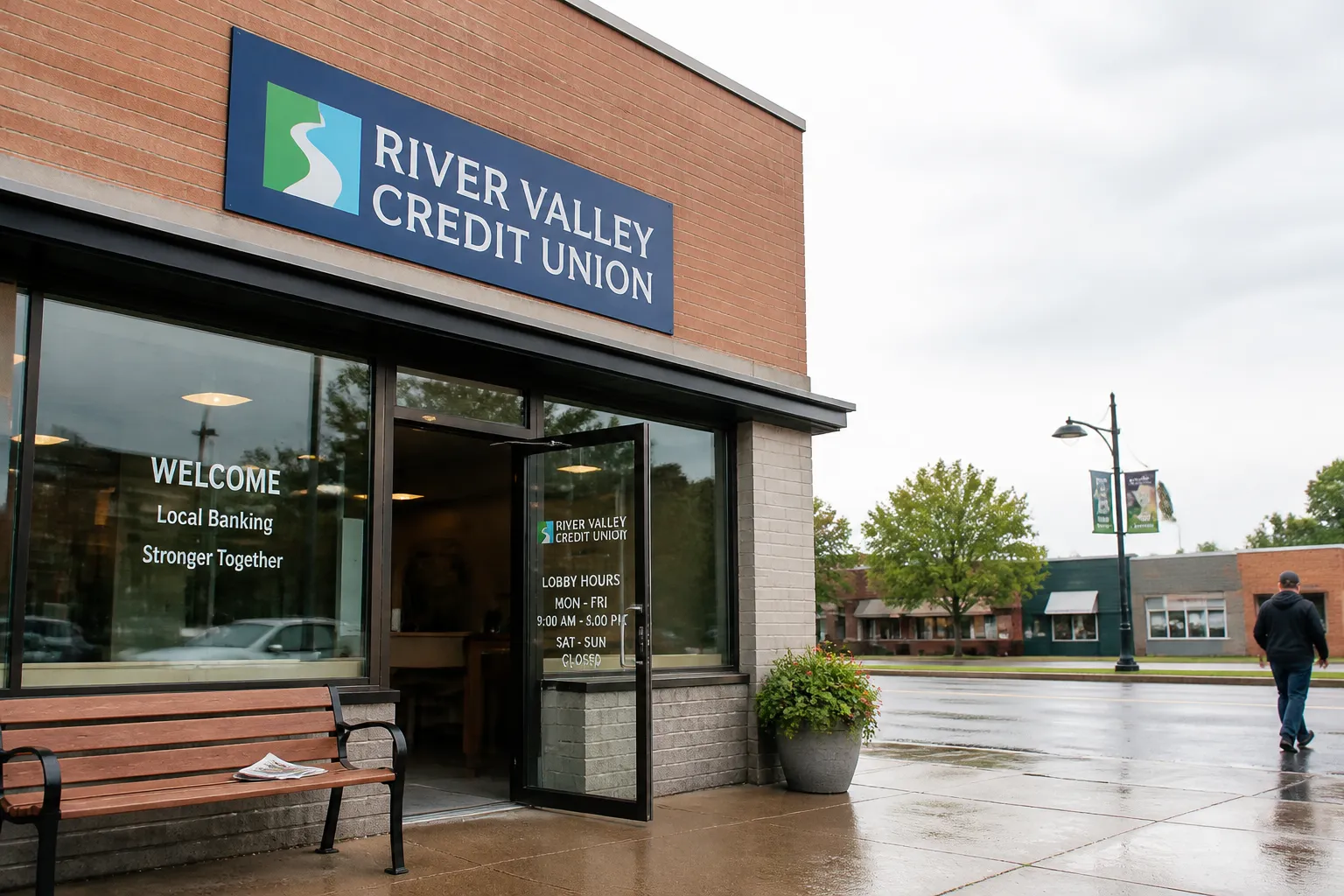
Before you share personal income records, banking details, or Social Security numbers with a lender, take ten minutes to verify who you are dealing with. Federal and state agencies maintain searchable registries that show whether a mortgage broker is licensed, whether a bank carries federal deposit insurance, and how a financial company handles disputes when consumers file complaints. Doing these checks early gives you concrete facts to work with, helping you confirm that the person or institution across the desk is properly authorized to conduct business.
- Identify the institution type: Determine whether the company is a commercial bank, a credit union, a non-bank mortgage brokerage, or a digital lending service.
- Obtain the exact identifier: Ask the representative for their individual licensing number, company charter name, or federal registration identifier.

- Query the official directory: Cross-reference the identifier against public databases maintained by federal or state supervisory authorities.
- Evaluate regulatory standing and complaint patterns: Check for formal disciplinary actions and observe how the institution responds to recorded consumer grievances.
Start with the right registry for the institution type
Financial firms are regulated under distinct legal frameworks, so picking the right lookup tool depends entirely on what kind of business you are evaluating. If you are shopping for a home purchase or refinancing a mortgage, the primary clearinghouse for loan officers and brokers is NMLS Consumer Access. This service provides a free, public record of state-licensed and federally registered mortgage professionals. Checking this system allows you to confirm that an individual loan originator is currently authorized to conduct business in your state.
Traditional depository banks follow a completely separate oversight channel. The Federal Deposit Insurance Corporation acts as an independent agency created by Congress to maintain stability and public confidence in the nation's financial system. Through its public data tools, the FDIC provides access to institutional details for federally insured banks, savings associations, and their branch networks across the country.
Credit unions operate under their own cooperative regulatory structure. The National Credit Union Administration, an independent federal agency created by Congress in 1970, charters and regulates federal credit unions. Through NCUA data systems, consumers can verify whether a credit union carries backing from the National Credit Union Share Insurance Fund, which protects eligible accounts up to $250,000 per depositor.
Verify a mortgage professional's licensing with NMLS
Every individual mortgage loan originator has an assigned unique identifier known as an NMLS ID. This number remains attached to the professional throughout their career, tracking state licenses, employment history, and disciplinary events across state borders. As detailed in resources covering NMLS Consumer Access, the directory is entirely free to search and accepts either an individual's name or their specific identification number.
When you conduct an NMLS search, look closely at the details. A match on a person's first and last name is not sufficient, because common names appear frequently in the mortgage trade. Match the exact NMLS ID from their business card, email signature, or loan estimate against the public record. Confirm that their listed employer matches the firm you contacted, and review the jurisdictions where the loan officer holds an active license.
Regulatory notes in the NMLS database may reflect formal administrative actions, license suspensions, or state-level consent orders. While the public portal provides high-level disclosures, it does not always detail the full context of every administrative filing. If you encounter an unexpected notation or a license status listed as inactive, ask the loan originator for written clarification before submitting application fees or sensitive tax documents.
Check bank and credit union insurance status
When you place money into a deposit account or borrow from an institution that holds deposits, verifying insurance status is a fundamental safeguard. For commercial banks, savings banks, and thrifts, the FDIC maintains the BankFind Suite. This registry offers public-domain records covering legal names, parent holding companies, active physical branches, web addresses, and quarterly Call Report filings. BankFind requires no registration or user fee and lets you confirm that a bank is actively insured by the federal government.
For credit unions, verifying membership criteria and federal deposit coverage involves confirming that the entity participates in the NCUA Share Insurance Fund. Most credit unions carry this coverage, which offers the same $250,000 standard limit provided by FDIC insurance on bank accounts. Checking insurance status confirms that the institution meets federal capital rules and basic regulatory supervision.
Exercise extra care when evaluating modern fintech platforms, personal loan websites, and money transfer apps. Many tech-forward brands market banking features or installment loans but are not banks or credit unions themselves. Because standard federal bank directories do not always list software partners directly, do not assume that a partner application is insured simply because an FDIC or NCUA logo appears on its marketing page.
Review complaint history in the CFPB database
Licensing confirms legal authority, but complaint records show how a business treats people after an account is opened. The Consumer Financial Protection Bureau maintains the public Consumer Complaint Database, which records grievances submitted by consumers regarding mortgages, auto loans, credit cards, and credit reporting. The database updates almost daily and is free to filter by company name, product type, issue, and state.
The CFPB applies strict publication rules before making a complaint public. The bureau publishes a record only after the company responds to the complaint, confirming that a business relationship exists, or after 15 calendar days have elapsed, whichever comes first. The CFPB notes that 99 percent of complaints sent to companies receive timely responses. However, complaints involving smaller depository institutions, including banks with under $10 billion in total assets, are referred to other supervisory agencies and do not appear in this public feed.
Reading the database requires careful context. The CFPB repository is not a scientific sample, so it does not represent every customer experience. A large national financial firm serving millions of households will naturally accumulate a higher absolute complaint total than a local institution with two branches. When reviewing entries, look at the nature of the complaints and whether the company addressed the problem with monetary relief, an explanation, or an administrative fix.
Recognize gaps and watch for warning signs
If a lender or broker claims to be licensed but cannot be found in the relevant federal or state lookup tool, pause the transaction. An absence from an official registry does not automatically prove illegal operation, as corporate name changes, recent acquisitions, or clerical filing delays can cause temporary search mismatches. However, it is a clear signal to request documentation directly from the lender before you sign binding agreements.
Public lookup tools also have practical limitations. Federal registries do not track every state-level lending license outside the mortgage industry, nor do they compile commercial lending records or private business contracts. For questions regarding payday lenders, sales finance companies, or specialized consumer finance firms, you may need to consult your state attorney general or state division of financial institutions.
Government verification tools provide essential background, but they serve an educational purpose rather than personal financial guidance. Checking a public database helps you spot inconsistencies, confirm legitimacy, and ask informed questions. If you encounter signs of deceptive practices or unresolved disputes, you can report your experience directly to the CFPB or your state financial regulator for further review.
Please seek a professional. This article is general information, not financial, tax or insurance advice. Please seek a licensed financial, tax or insurance professional about your own situation.


