 Credit Score Education
 Credit Reporting & Consumer Rights
 Personal Finance Tips
 Budgeting & Money Management
 Identity Theft & Fraud Prevention
 Credit Card Education
 Consumer Financial News
 Cost of Living & Inflation
 Banking & Savings Education
 Consumer Protection & Financial Literacy

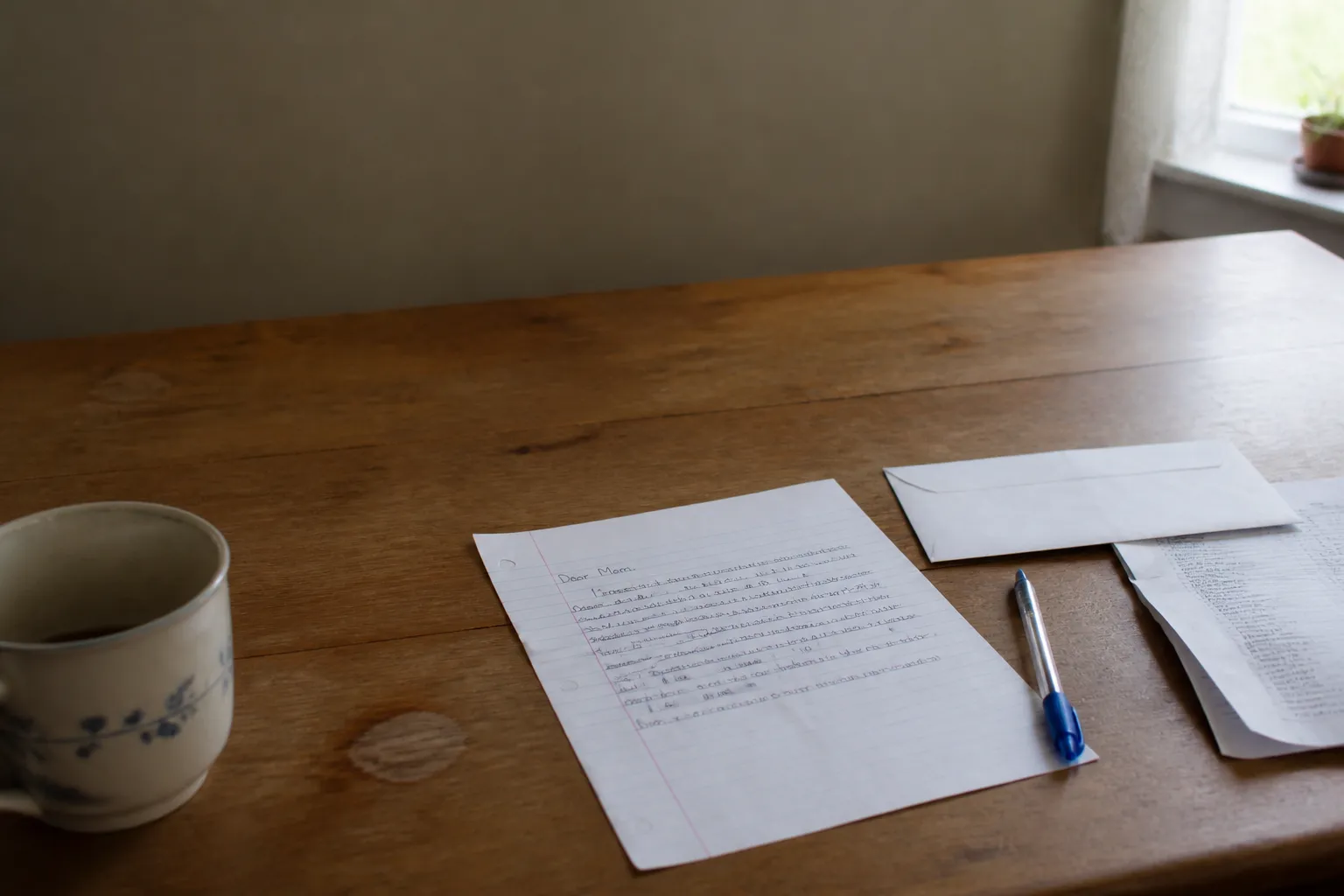
When an unexpected fee appears on a bank statement or a company fails to honor a billing agreement, resolving the issue requires a methodical approach. Writing a formal dispute letter creates a dated paper trail of the problem, establishes what you did to fix it, and gives the business the specific facts needed to correct an error.
Start with the company, not an outside agency
Federal guidance recommends that consumers first bring an issue directly to the business involved before seeking outside intervention. You can read the official framework on how to file a complaint about a company's products or services through USAGov. Many consumer issues stem from simple accounting mistakes, data entry errors, or miscommunication. Reaching out directly gives the business a fair opportunity to make things right quickly, and regulatory bodies typically look to see whether you made this initial attempt.
For issues with financial institutions, there is a standard chain of contact. According to USAGov guidance on bank, credit, and securities complaints, you should first contact your local branch manager, call the customer service department, or submit an inquiry through the institution's official website. If those front-line attempts do not resolve the issue, address a formal letter to the company's management team. You can usually find the proper mailing address under website links labeled "contact us," "customer service," or "about us."

Gather your documents before you write
A dispute letter is only as strong as the facts that support it. Before drafting your text, collect every record related to the transaction. This documentation can include billing statements, payment receipts, written contracts, email exchanges, and work orders. If you previously spoke with customer service agents over the telephone, review your notes regarding the dates of those calls, the duration of the conversations, and the names or identification numbers of the representatives.
When submitting proof to an institution, always send clear photocopies rather than original records. Keep the original paper documents in your home files for safekeeping. Label each attached document clearly, such as "Attachment A: October Account Statement," and reference those labels directly within the body of your letter so the person reviewing your file can follow along easily.
Drafting a brief chronological timeline before you write can also keep your message clear. State when you opened the account or made the purchase, when you noticed the discrepancy, when you first called customer service, and what response you received. Laying out the facts in order prevents confusion and allows the reader to understand the exact breakdown in service.
What a complaint letter should say
A formal complaint letter must accomplish two primary goals: explain the factual problem and specify the exact resolution you are requesting. Keep your tone calm, direct, and factual. Long emotional statements can distract from the core issue, whereas a concise description of what occurred makes it easier for an investigator to verify your claim. Close your explanation by stating the required outcome clearly, whether that means reversing a specific fee, correcting an account ledger, or issuing a formal written response.
Federal agencies maintain resources such as the FTC sample customer complaint letter and general guidelines on solving problems with a business to illustrate the principles of an effective dispute. Your letter should include basic identifying details:
- Your full legal name, current mailing address, and daytime telephone number.
- The specific account number, reference number, or transaction identifier.
- A concise summary of the transaction, including dates, dollar amounts, and disputed charges.
- A list of attached supporting documents, identified by label or title.
- A reasonable, specific request for corrective action.
Always retain an exact copy of the signed letter for your personal records, along with documentation showing when and how it was delivered.
Disputing credit report errors
If an inaccurate account balance, an incorrect payment status, or an unfamiliar account appears on your credit report, federal law grants you the right to dispute that information. The Consumer Financial Protection Bureau outlines this procedure in its guide on how to dispute an error on a credit report. To correct an inaccuracy thoroughly, you generally need to file a dispute with the credit reporting company that issued the report and with the original creditor that provided the information.
The three nationwide credit reporting companies named by the CFPB are Equifax, Experian, and TransUnion. The CFPB offers sample letters to dispute credit report information that you can adapt to your situation. When preparing your dispute package, include your full contact details, the confirmation number from the credit report if one was assigned, and the specific account numbers involved. Highlight or circle the incorrect line items on a copy of the credit report, explain precisely why the entry is wrong, and attach supporting documentation. Sending the dispute by certified mail with a return receipt requested gives you verifiable proof of the date the agency received your materials. If you suspect an erroneous entry is the result of fraud or identity theft, file a report at IdentityTheft.gov.
Responding to debt collectors and checking the basics
Disputing a financial problem can also involve third-party debt collectors. Under federal rules, collectors are generally required to provide specific validation information either during their initial communication with you or in writing within five days of that contact. This notice must include the name of the original creditor, the exact balance claimed, and clear instructions explaining your right to dispute the debt.
If a caller refuses or is unable to provide these basic validation details, treat the contact with skepticism. A representative who cannot verify the creditor or balance may be running a collection scam, and you should avoid disclosing sensitive personal or financial information until you have verified their legitimacy. The CFPB outlines recommended actions and letter formats in its advisory on what to do when a debt collector contacts you. Depending on your situation, a written response to a collector may clarify that you do not owe the balance, request additional supporting documentation, or restrict the times and methods by which the agency may contact you.
Send your debt response promptly after the initial contact, and keep copies of all correspondence. Ignoring communications regarding a valid obligation does not eliminate the debt, and collectors may continue collection activities. If a direct dispute does not yield a resolution, you may submit a complaint to the CFPB, notify your state attorney general, or contact your local consumer protection agency for assistance.
Please seek a professional. This article is general information, not financial, tax or insurance advice. Please seek a licensed financial, tax or insurance professional about your own situation.


