 Credit Score Education
 Credit Reporting & Consumer Rights
 Personal Finance Tips
 Budgeting & Money Management
 Identity Theft & Fraud Prevention
 Credit Card Education
 Consumer Financial News
 Cost of Living & Inflation
 Banking & Savings Education
 Consumer Protection & Financial Literacy

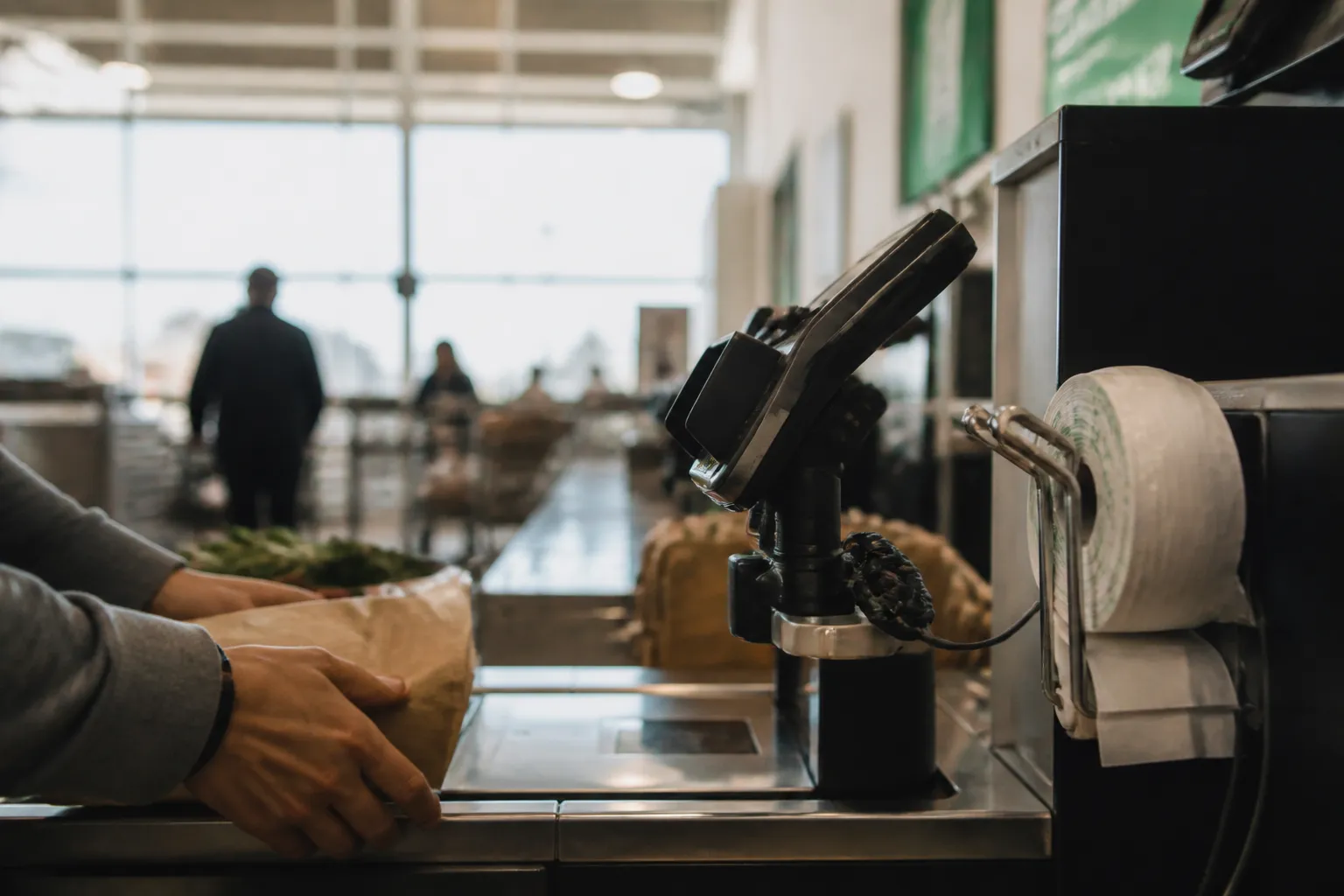
Checking out at a register used to mean handing a plastic card to a cashier, but modern payment lanes move fast. Self-checkout kiosks, fuel pumps, and standalone tap terminals let you pay in seconds. That speed also creates cover for thieves who rely on distraction to intercept card numbers or alter transaction totals before you look twice.
How card skimming works
Physical skimming relies on an overlay device placed directly on an authentic card reader or ATM. According to reporting from CBS News, these devices capture account details and PINs from bank and government benefits cards, and they can be installed in seconds. Every time a card is swiped through an altered reader, the hidden hardware copies the magnetic stripe data. Many skimmers include miniature wireless transmitters that beam the stolen records directly to an operator nearby.
These units fit tightly over factory equipment, matching the original color and texture. When investigators remove them, they often have to pry the pieces loose with hand tools, leaving behind double-sided tape residue or broken plastic. Because an overlay leaves the underlying terminal fully functional, there is usually no outward indication of how long the device has been collecting data. A grocery lane you used safely last Tuesday could have an illicit attachment installed by Wednesday morning.
Most retail clerks and franchise operators have no idea their hardware has been modified. In an overview shared by the U.S. Secret Service, field agents noted that store owners were consistently shocked when sweeps uncovered hardware on checkout lanes. In 2025 alone, federal teams and local partners inspected nearly 60,000 payment terminals, gas pumps, and cash machines, recovering 411 skimming rigs that represented hundreds of millions in potential theft. A single well-placed overlay can compromise thousands of accounts before discovery.
How tap-to-pay and contactless scams work
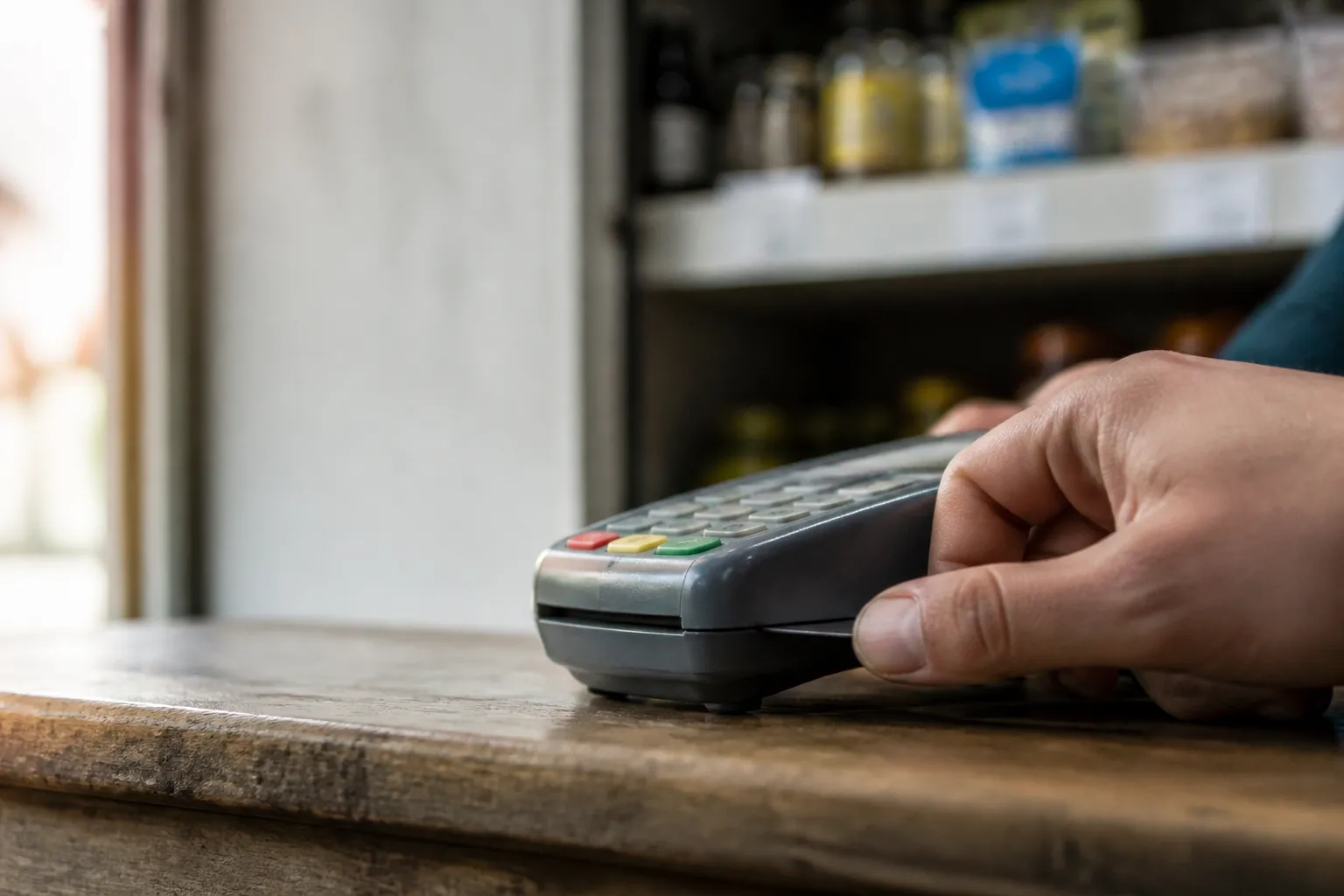
Contactless transactions rely on near-field communication, known as NFC, which enables your payment card or phone to exchange encrypted data across a gap of an inch or two. The protocol itself is engineered with short ranges and dynamic tokens, but attackers take advantage of how people behave in busy checkout environments. An alert from the Better Business Bureau outlines how crowded settings, rushed lines, and poorly labeled payment prompts allow scammers to collect money without physical card handling.
Tap fraud rarely involves complex wireless interception from across the room. Instead, operators rely on human misdirection. A rogue seller at an outdoor festival might present a handheld reader without showing the display screen, charging fifty dollars for a five-dollar soft drink. In other instances, roving solicitors at fairs or door-to-door visitors demand immediate contactless payments for alleged donations or goods. The BBB reported one instance where an aggressive door-to-door seller, insisting on tap payment only, billed an unsuspecting resident $537 for a minor purchase.
Thieves also use small charges to stay under the radar. An unauthorized tap charge of three or four dollars rarely triggers a real-time text alert from an issuing bank. Scammers may process low-value test charges across dozens of targets, confirming accounts are active before attempting larger transfers. Because the line items resemble routine parking meters or coffee shop visits, many consumers overlook them for weeks.
Simple habits that reduce your exposure
Protecting your account at point-of-sale registers requires simple, consistent habits rather than specialized tools. Building a few checks into your daily routine helps prevent both hardware skimmers and contactless manipulation.
- Inspect the housing before you swipe or insert: Look at the seam between the card bezel and the main register chassis. If the plastic looks thicker than usual, sits crooked, or moves when you give it a firm tug, skip that terminal.
- Check the reader screen for the merchant name and total: Never touch your card or phone to a reader before confirming the exact dollar amount on the display. If the clerk or street seller obscures the screen, pause the transaction until the total is visible.
- Be skeptical of tap-only mandates: Legitimate brick-and-mortar storefronts support multiple ways to pay. When an unfamiliar mobile vendor refuses cash, chip inserts, or itemized receipts, step away.
- Shield your PIN entry: Even if a skimming overlay captures your card magnetic track, the thief still needs your four-digit PIN to pull cash from an automated machine. Use your free hand or a wallet to block the angle above the keypad.
- Monitor public assistance balances directly: Public benefit programs like SNAP face frequent skimmer attacks. Guidance published by the Federal Trade Commission stresses that recipients should review account balances frequently through authorized hotlines or portals, especially after shopping at high-traffic regional markets.
How the operating system on your phone manages contactless hardware also plays a quiet background role in payment safety. In regulatory studies, the Consumer Financial Protection Bureau has analyzed how mobile platform policies dictate tap access. While mobile operating systems restrict how third-party apps interact with NFC chips to protect user data, consumer awareness at the physical checkout terminal remains the primary defense against overcharges.
Warning signs and steps to take after an incident
Recognizing the warning signs of terminal tampering can keep money in your account. Red flags include unusual resistance when inserting a card, mismatched colors on the card throat, adhesive glue along the keypad border, and vendors who claim their screen is broken while asking you to tap blindly. If a charity canvasser refuses to provide a printed or digital receipt showing the donation amount, cancel the payment immediately.
If you realize your card information was compromised or notice charges you did not authorize, act quickly to contain the loss:
- Call your financial institution immediately: Use the customer service telephone number printed directly on the reverse side of your card. Request that the card be canceled, ask for a replacement card with a new account number, and dispute the unauthorized charges. Prompt notification helps limit your responsibility under federal billing rules.
- Update account security credentials: If your debit card was involved, change your four-digit PIN through your bank web portal or an authenticated branch terminal. Do not reuse old PIN combinations.
- Report terminal tampering to local management and law enforcement: If you encounter a physical skimmer stuck to a terminal, notify store managers so they can shut down the lane. File an informational report with local police or submit details through federal channels so investigators can map regional skimmer networks.
Reviewing recent purchases each weekend takes two minutes and spots micro-charges before they grow into systemic losses. Combining physical awareness at the register with regular digital reviews gives you dependable control over your payment cards.


