 Credit Score Education
 Credit Reporting & Consumer Rights
 Personal Finance Tips
 Budgeting & Money Management
 Identity Theft & Fraud Prevention
 Credit Card Education
 Consumer Financial News
 Cost of Living & Inflation
 Banking & Savings Education
 Consumer Protection & Financial Literacy

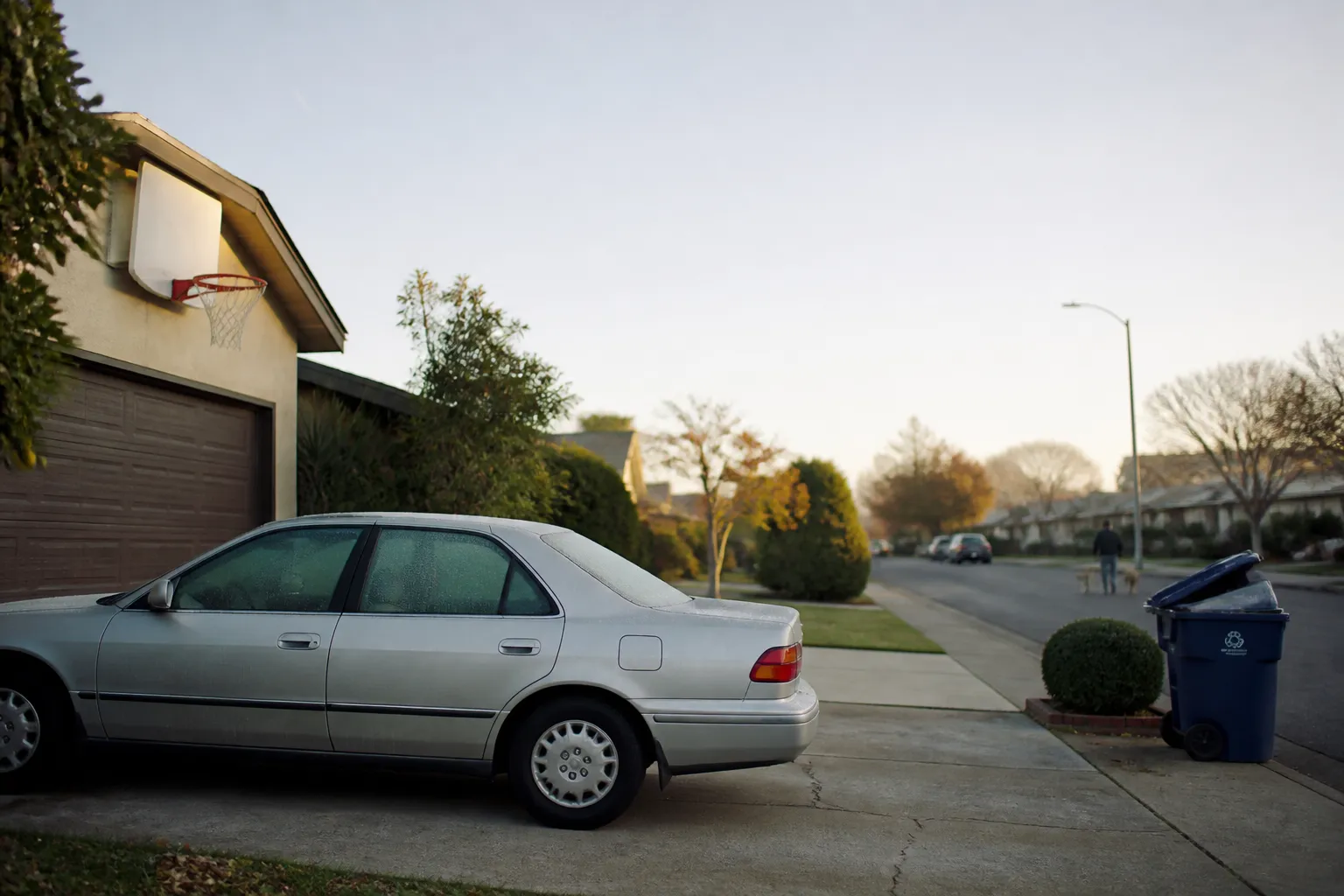
The government publishes a number every month that tracks what used cars and trucks cost. It is a perfectly good number. It is also a poor tool for guessing what a dealer will offer for the Corolla in your driveway, and the gap between those two facts is where people get confused.
What the CPI used cars and trucks index measures
The Bureau of Labor Statistics publishes a monthly price index for used cars and trucks. The St. Louis Fed's FRED site carries it with a 1982-1984=100 base and seasonal adjustment. That adjustment strips out the usual yearly rhythms, so a change from one month to the next shows the direction of prices more than the calendar.
An index describes a broad category. It does not describe a vehicle. Your car has a year, a trim, a mileage count, a condition and a local market, and a national index sees none of that. The FRED page showed 182.176 for September 2026 and 180.965 for August 2026, with the series updated October 14, 2026 and the next release listed for November 10, 2026. Check FRED directly for current figures, because any number printed in an article ages quickly.
What the index does not say about a trade-in
Here comes a footnote. The material reviewed for this piece does not establish whether the CPI used-car index reflects trade-in values, dealer offers, or only retail sale prices. The BLS pages that explain its method did not load in a usable form. So the question stays open, and it is better left open than guessed at.
That means a rising CPI reading should not be treated as a forecast of your offer. It may say something about the general mood of the market. It cannot say what one dealer will pay for one car on one Tuesday.
Three ideas are worth keeping apart. Each answers a different question:
- The national price trend, which is what an index like CPI describes.
- The wholesale price for a comparable vehicle, which is closer to what a dealer pays.
- The retail asking price, which is what the dealer hopes to get.

- Compare the trade-in offer with wholesale figures for the same make, model, condition and mileage.
- Compare it with retail listings for similar vehicles, keeping in mind that asking prices are not fixed values.
- Ask how the dealer arrived at the number.
Why trade-in offers sit below retail prices
A trade-in is a wholesale sale to the dealer you are buying from. The offer is set at wholesale levels, which run below the sticker on the lot. The difference is meant to cover reconditioning, overhead and profit. A used vehicle has no manufacturer's suggested retail price, so each dealer sets an asking price from condition, mileage and demand. Two dealers can price the same car differently, and neither figure is official.
So a low offer next to a high listing is not automatically a sign of bad faith. They are two prices from two markets. One caveat: the source for this explanation is Canadian, so its taxes and fees do not apply here, though the wholesale and retail logic is general.
The spread has also grown. J.D. Power data reported by Auto Remarketing put the average wholesale-to-retail gap at $14,747 in September 2025, versus a bit more than $9,000 in 2021. That month, average retail prices were about $30,016 and average wholesale prices about $15,269. These are national averages. They show how wide the gap has become, not what your car should fetch.
Wholesale indexes and how they differ from CPI
The Manheim Used Vehicle Value Index is built from auction prices paid by dealers. It removes outlier sales, averages by mileage and vehicle class, adjusts for past sales over a 24-month window and applies a seasonal adjustment. Cox Automotive publishes it monthly, and its Manheim Market Report updates wholesale prices more often. It excludes heavy trucks and motorcycles and is not generally used for insurance purposes.
Because it is a dealer-to-dealer measure, it reflects auction conditions rather than the consumer retail market or the CPI basket. CPI, Manheim and retail listings can therefore move in different directions over the same stretch. Before comparing any two, find out which market each one covers.
Practical questions to ask before accepting an offer
A private sale often brings more money than a trade-in. The seller also takes on the ads, the test drives, the haggling and the paperwork. Whether that trade is worth it is a personal call.
Financing can matter as much as the trade-in figure. The CFPB notes that loan length and add-ons can change total loan cost by hundreds or even thousands of dollars. A shorter term lowers total interest. A longer term lowers the monthly payment but usually raises total interest. The CFPB also suggests getting preapproved by a bank or credit union so you can compare offers before you reach the dealership, and asking which features, such as rate, APR, term and add-ons, are negotiable.
Some questions fall outside the sources here. They include how your state taxes a trade-in, what rules apply to trade-in disputes, and how to value one specific vehicle. Your state consumer protection office, the CFPB and the FTC are reasonable places to start. This article is general education, not advice.
Please seek a professional. This article is general information, not financial, tax or insurance advice. Please seek a licensed financial, tax or insurance professional about your own situation.


