 Credit Score Education
 Credit Reporting & Consumer Rights
 Personal Finance Tips
 Budgeting & Money Management
 Identity Theft & Fraud Prevention
 Credit Card Education
 Consumer Financial News
 Cost of Living & Inflation
 Banking & Savings Education
 Consumer Protection & Financial Literacy

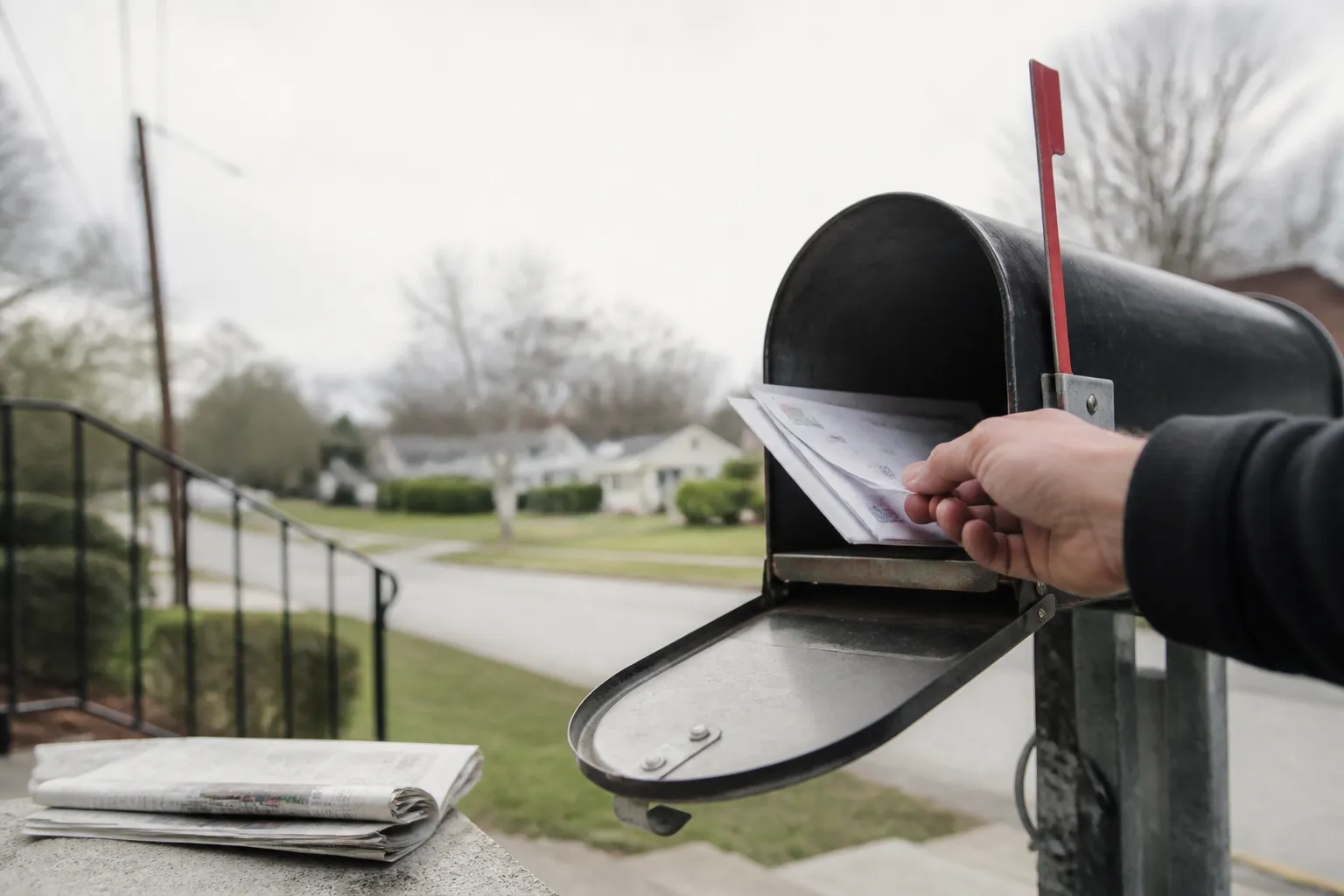
Finding an envelope in your mailbox with an unrequested credit card inside is never routine mail. Under federal law, financial institutions generally cannot send you an active credit card unless you specifically asked for it or submitted an application. When one arrives unannounced, it serves as an early alert for two possibilities: a bank processing error or identity theft. Taking fast, methodical steps can limit the damage before fraudulent balances accumulate.
- Call the customer service number printed directly on the physical card to state that you never opened or authorized the account.
- Instruct the issuer to close the account immediately and demand written confirmation that the file was shut down due to fraud or administrative error.

- Request that the card issuer notify all credit reporting agencies to delete any inquiry or tradeline linked to the account.
- Pull your credit files across the bureaus to verify whether additional unauthorized lines or inquiries have been established in your name.
Why an Unrequested Card Is a Warning Sign
The Truth in Lending Act strictly regulates unsolicited credit accounts. According to guidance hosted on HelpWithMyBank.gov, banks cannot issue a card unless you applied for it or unless the card represents a direct renewal or substitute for an account you already hold and accepted. An unexpected piece of plastic arriving at your door is an exception to ordinary operations and requires immediate investigation.
In the best case, an unexpected card results from a harmless data mismatch, such as two customer files merged by mistake or an incorrectly handled account migration. In the worst case, an identity thief has accessed your personal identifiers, including your name, address, and Social Security number, to open a line of credit without your consent. Criminals sometimes intend to intercept the card at your mailbox, but delays or routing changes deliver the envelope to you instead.
Because you cannot tell from the packaging whether the issue is a clerical mistake or deliberate fraud, safety requires treating the delivery as a security event. Never activate the card or make a small transaction to see if the line is live. Activating the card can confuse the dispute process by signaling to the bank that you accepted the terms.
The Immediate Response: Report, Dispute, and Document
Your first move should be direct contact with the card issuer. Turn the card over and call the telephone number listed on the reverse side. Tell the representative clearly that you did not authorize, request, or submit an application for the card in your hands. Request an immediate cancellation of the account. Ask the representative to make an explicit note in their fraud record that the card was sent without your consent.
If the representative indicates the card was issued in error, direct the bank to close the account and remove all traces of the account from your credit history. Keep a written record of every interaction. Write down the exact date and time of the call, the name and identification number of every agent you speak with, and any reference or ticket numbers generated during the conversation. Request that the bank send a formal letter confirming the account is closed with a zero balance.
Sometimes an unauthorized card arrives with pre-existing charges or a balance. Existing federal agency summaries do not fully resolve every scenario where unauthorized charges appear immediately upon arrival. If you discover prior activity on the account, state that the charges are unauthorized, request a fraud investigation, and follow up in writing by certified mail to preserve your consumer rights.
Pulling Credit Reports and Spotting Unauthorized Accounts
An unauthorized card rarely exists in isolation. If a bad actor has your identity details, they may have submitted multiple credit applications within days. Checking your credit files allows you to identify unauthorized tradelines, new mailing addresses attached to your name, or credit inquiries from issuers you have never contacted.
Federal rules guarantee you access to free credit reports every 12 months through the official portal at www.annualcreditreport.com or by calling (877) 322-8228. Review each bureau report carefully. Look for unfamiliar creditor names, unexpected collection notices, and recent hard inquiries. Federal consumer protections require credit bureaus to block or remove fraudulent accounts once an identity theft claim is formally submitted.
Official agency materials do not specify the exact timeline each bureau takes to complete an investigation or remove contested data. Because dispute steps can differ between agencies, consult consumer resources at the Federal Trade Commission or the Consumer Financial Protection Bureau to understand how to file formal dispute notices and request fraud alerts.
Store Cards, Register Offers, and Stolen Identifiers
Not every unrequested card originates from an online identity thief. Some arrive following a shopping trip. The Consumer Financial Protection Bureau noted in consumer alerts on retail credit fraud that consumers have reported receiving store credit cards in the mail after explicitly turning down an offer at a checkout register or over the phone.
Opening a store credit line in someone else's name without express permission is unlawful. It can happen when a clerk misinterprets customer input, rushes through prompts, or uses collected data without permission. Think back through recent purchases: did you hand over your driver's license or enter your Social Security number on a pin pad while intending to refuse an application or merely enroll in a basic rewards club? Pinpointing that moment gives you clear facts when disputing the card with the retail issuer.
When filing your complaint with the bank that manages the store account, provide a clear record of the date, the store location, and the conversation you had at checkout. Explaining that you refused the card on-site helps the fraud unit address employee misconduct and clean up your file faster.
Substitutions, Changed Terms, and Account Portfolios
There are legitimate business transitions that produce a new card without a fresh application. Under the Truth in Lending Act, an issuer can replace an existing card when the underlying network changes, when card features update, or when one financial institution purchases an entire account portfolio from another, as noted in the CFPB's card issuer substitution guidance. Under these substitution rules, the replacement card can carry different fees, interest rates, or perks, but only one active credit account may remain open.
When an existing account undergoes significant changes to its terms, federal law generally mandates that the bank provide written notice at least 45 days before the modifications take effect. That notice should state your right to reject the revised terms and outline the steps needed to do so. If you reject the terms, the bank may end or suspend your charging privileges on that account. Reading account mailers carefully prevents you from mistaking a lawful account renewal for identity theft, and keeps you informed about changes to your borrowing terms.
If you encounter ongoing issues, such as an issuer that refuses to close an unrequested account or collection calls that continue after you report the fraud, escalate your dispute. You can submit an official complaint to the Consumer Financial Protection Bureau or contact your state attorney general's consumer protection division for administrative assistance.
Please seek a professional. This article is general information, not financial, tax or insurance advice. Please seek a licensed financial, tax or insurance professional about your own situation.


