 Credit Score Education
 Credit Reporting & Consumer Rights
 Personal Finance Tips
 Budgeting & Money Management
 Identity Theft & Fraud Prevention
 Credit Card Education
 Consumer Financial News
 Cost of Living & Inflation
 Banking & Savings Education
 Consumer Protection & Financial Literacy


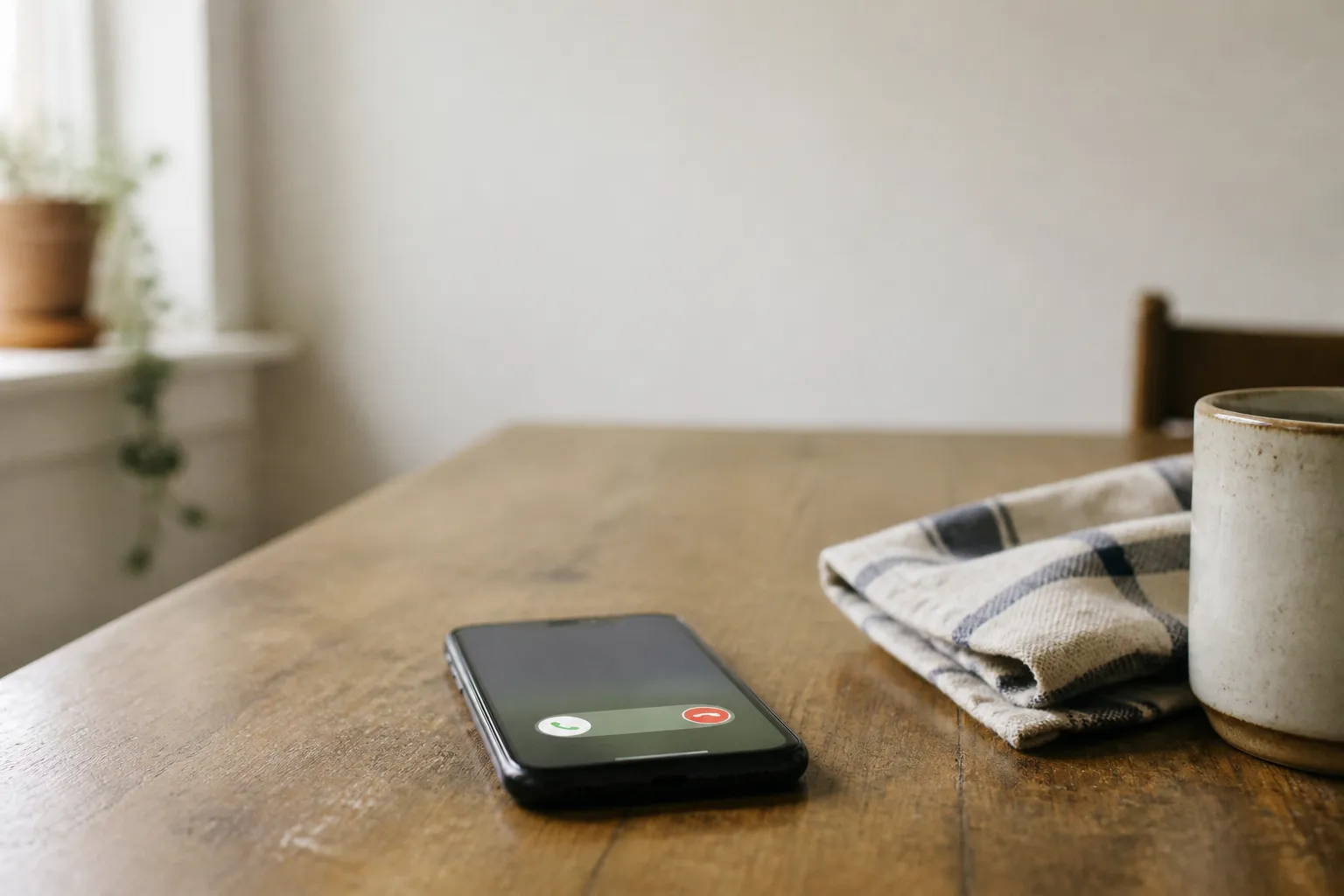
A call asking you to verify information about a loan or account can sound routine, especially if the caller knows your name or part of an account number. But caller ID can be faked, and convincing details do not prove who is on the line. You can pause, end the call, and check through a contact method you find yourself.
Why an unexpected call deserves caution
Scammers impersonate banks and lenders, and caller ID spoofing can make a call appear to come from a familiar company or phone number. That name on your screen is a clue, not proof. A caller may also use a real employee’s name or accurate details to make the story feel credible.
Be especially cautious if someone who contacted you unexpectedly asks for your online banking password, PIN, Social Security number, or a one-time security code. The Federal Deposit Insurance Corporation’s Office of Inspector General warns that caller ID can be spoofed. The Federal Trade Commission also says unexpected calls about loans you did not apply for may be scams, and advises people to ignore them. Read the FDIC OIG’s guidance on call spoofing and the FTC’s advice about unexpected loan calls.
How a verification scam can unfold
A common script starts with a claim that there is suspicious activity on your account. The caller may say there is an urgent problem and ask you to confirm login details or a code. With that information, a fraudster may try to reset your password or access your money. The caller’s urgency is part of the pressure: it can make you feel you have to act before you have time to check the story.
Some impersonation calls arrive outside normal business hours or come back repeatedly. A caller may say you need to move money to a “safe” account, withdraw cash, send a payment, return a card, or give remote access to your computer. Those requests are serious warning signs. Bank imposter scam guidance describes these kinds of tactics. A request can be suspicious even when the caller uses familiar language or knows a detail about you.
Ask yourself one basic question: did you apply for this loan or open this account? If not, treat the call as unverified. The FTC advises ignoring unexpected calls about loans you did not apply for. If you did recently apply, that still does not establish the identity of the caller. You can confirm the contact separately.
What to do while the caller is on the line
You do not have to answer questions or confirm personal details during an unexpected call. A short response is enough: “I’ll contact the institution directly.” Then hang up. You can also let an unfamiliar or suspicious call go to voicemail. A legitimate institution may leave a message, and you can review it without being pressed to respond in real time.
Do not share passwords, PINs, Social Security numbers, or one-time codes with an unexpected caller. Do not agree to move money, withdraw cash, send a payment, reverse a transfer, return a card, or let the caller control your computer. If someone says you must do one of these things immediately to protect your account, stop the conversation and verify independently.
Be wary if the caller asks you to provide your name, phone number, or account information before offering a way for you to verify who they are. A caller’s request to “confirm” details does not make the request safe. You can choose not to supply anything and use a trusted contact channel instead.
How to verify the call independently
After hanging up, find the institution’s number on its official website, on the back of your card, or on a statement. Call that number yourself and ask whether the institution tried to reach you or whether there is an issue with your account or application. Do not redial the number that called. It may belong to the scammer, or caller ID may have displayed a number the scammer does not control.
Use a web address you already know or locate the institution’s official site independently. Be cautious with links, phone numbers, and email addresses supplied in an unexpected call or message. A familiar-looking name in an email address is not enough; check that the address uses the institution’s real domain. The FDIC OIG explains why a displayed caller ID number may not identify the real caller in its call spoofing guidance.
If the institution confirms that it did not call, tell it what happened and ask what steps it suggests for your account. If you shared information or believe money was moved, contact the institution promptly through its verified channel. The Consumer Financial Protection Bureau’s fraud and scam resources offer further information. The details of what to do can depend on what was shared and what activity occurred, so avoid relying on instructions from the caller.
An unsolicited offer is not proof of a scam
Some people receive offers from lenders after applying for credit. Credit bureaus can sell “trigger leads” based on certain credit application activity, which may lead other lenders to send offers. So an offer you did not request is not automatically fraudulent. It also does not mean you have to respond, share information, or make a decision on the spot. Learn why unsolicited lender offers may arrive.
Keep the offer separate from any unexpected request to hand over sensitive details. Take time to review information you can verify independently, and contact the institution using a number from its official website or your account materials if you are unsure. Pressure, a false deadline, a request for a password or code, or instructions to move money are reasons to stop and check through a trusted channel.
The useful habit is simple: do not let an incoming call set the rules for how you verify it. Hang up, look up the contact information yourself, and ask the institution directly. A real concern can be checked after the call, without handing control of the conversation to someone you have not verified.
Please seek a professional. This article is general information, not financial, tax or insurance advice. Please seek a licensed financial, tax or insurance professional about your own situation.


