 Credit Score Education
 Credit Reporting & Consumer Rights
 Personal Finance Tips
 Budgeting & Money Management
 Identity Theft & Fraud Prevention
 Credit Card Education
 Consumer Financial News
 Cost of Living & Inflation
 Banking & Savings Education
 Consumer Protection & Financial Literacy


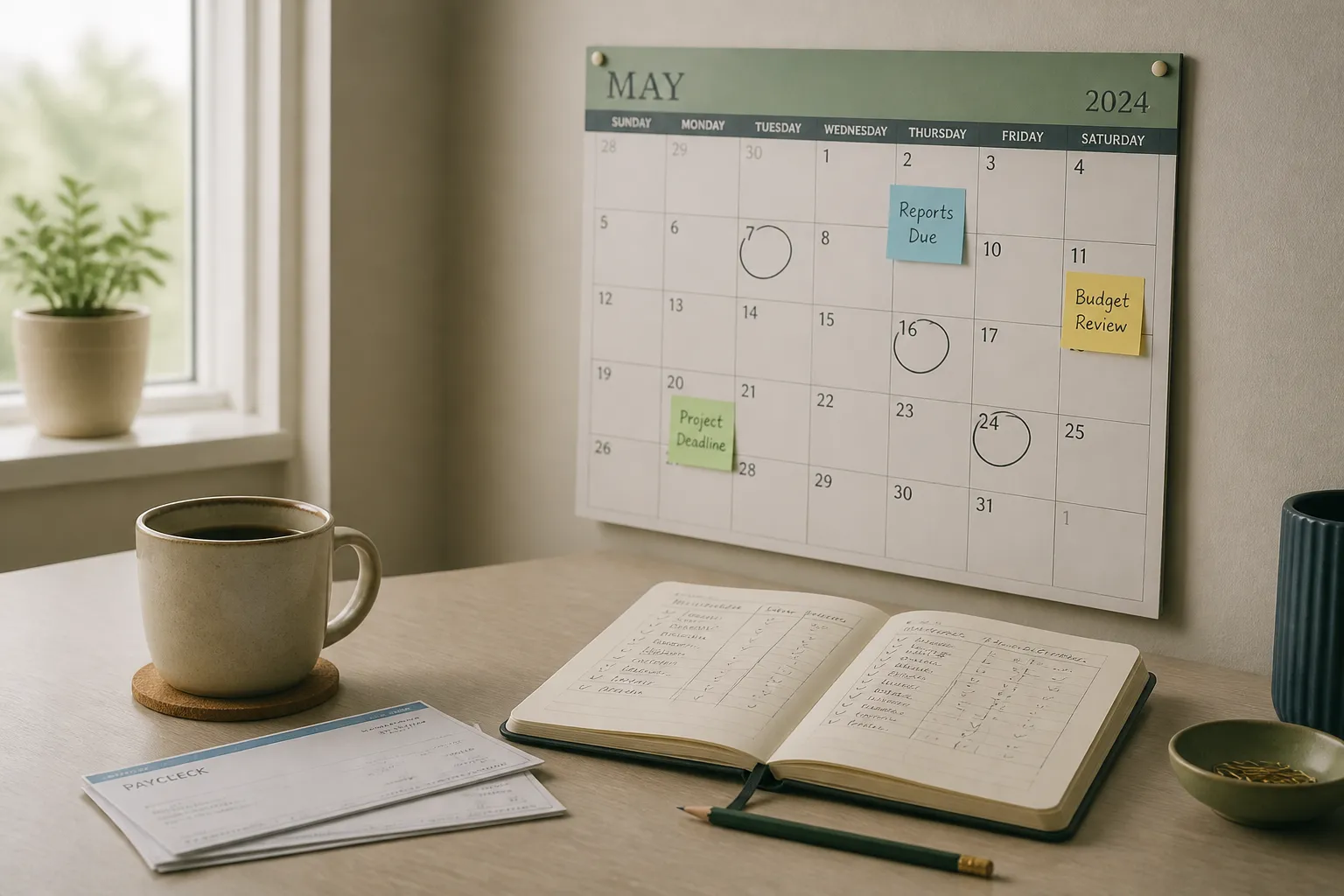
Suppose your current lease ends on the 30th, but the new apartment is ready on the 24th. Those six days may look manageable until you put them on a calendar. Rent is due at both addresses. Utilities are still running at the old one. Move-in cash is due at the new one. Treat the overlap as its own short-term budget, with dates and bills on one page.

Start by marking four dates: the last day of the current lease, the first day of the new lease, each rent due date, and the day you plan to move your belongings. The stretch when both leases are active is the overlap window. Rental guidance suggests most renters face at least a few days of overlap, and that you generally should not need to pay for two full months. What you owe still depends on your lease terms and on whether either landlord agrees to adjust dates.
Next, put every likely payment on the calendar, not just rent. The old unit may need utilities until move-out. The new one may add utility setup charges or pet fees. A deposit or first rent payment can land close to the final payment on the old place. The calendar makes the cash-flow pinch visible, even when the total is spread across many small bills.
Make the overlap a separate budget line
Build a simple schedule with one row for each date or billing period that matters. Include old rent, new rent, utilities at both addresses, pet fees, deposits, transportation, packing supplies, and any storage. Mark each item as confirmed or estimated, and note when it is due. This beats one broad "moving" total, because costs that arrive on different days create different pressure on your account.
Test the new rent against your overall housing budget before you commit to a move date. Rental listing sites often offer affordability calculators, and they note that utilities and pet fees may be charged on top of rent. An estimate from a calculator is a planning input. It does not prove the whole move will fit. The overlap adds a temporary second housing bill, so look at that short period apart from your ongoing monthly budget.
For each line, write down where the number came from. The lease confirms rent and due dates. A utility provider or mover can give a quote. A landlord can clarify a proposed adjustment. If a figure is unknown, mark it unknown and ask for it before you trust the total.
A worked example of prorating
Prorated rent means rent adjusted for part of a month. Landlords may calculate it differently, so the numbers below are illustrative only. Say the new rent is $1,500 for a 30-day month. One common approach divides rent by the days in the month, which gives $50 a day. Six overlap days would cost $300 at the new place. If the old rent is $1,200, the old place costs $40 a day over those same days, but you may owe the full month there if the lease runs through the 30th.
- New place, 6 days prorated: $300 (illustrative)
- Old utilities for the overlap: a rough $20 to $40 (placeholder, replace with a real bill)
- Extra cash needed that week: about $320 to $340 on top of normal rent
Your landlord may use a different method, such as a 365-day year or a flat fee. Ask which one applies and get the daily figure and the dates it covers in writing. Then replace the placeholders with real amounts.
Compare the ways to shrink the overlap
One option is to ask whether the move-in or move-out date can shift. A few days of flexibility may cut the number of overlapping days, but it only helps if both sides line up. Searching listings by move-in date early on may surface units that fit your timing. It will not guarantee a lease start that matches your old end date, so confirm dates directly before making plans.
Another route is a lease takeover or sublet, which may shift responsibility for the remaining time to another person. Storage may bridge a short gap between homes, though it adds its own charge and another round of hauling. A takeover or sublet depends on your lease and the landlord's process. Review the lease and ask what steps apply before counting on either option.
Ask before signing or giving notice
Before you commit, ask the new landlord whether the start date can move. Ask the current landlord whether the end date or final rent can be adjusted. Have each confirm the agreed dates and amounts in writing. If your current lease mentions a break clause, read what it says and ask what costs would apply.
Then compare the cash needed under each workable scenario. A shorter overlap may mean a tighter moving schedule. A longer one gives more time to move belongings but adds rent and utilities. Rules on subletting, lease breaks, and tenant rights vary by location, so if a date change is disputed, check your lease and contact a local tenant resource or housing agency. The most practical next step is to swap each estimate on your calendar for a confirmed date, a written term, or a current quote.
Please seek a professional. This article is general information, not financial, tax or insurance advice. Please seek a licensed financial, tax or insurance professional about your own situation.