 Credit Score Education
 Credit Reporting & Consumer Rights
 Personal Finance Tips
 Budgeting & Money Management
 Identity Theft & Fraud Prevention
 Credit Card Education
 Consumer Financial News
 Cost of Living & Inflation
 Banking & Savings Education
 Consumer Protection & Financial Literacy


A secured credit card offers a structured path for consumers looking to establish or rebuild a credit record. Unlike traditional credit cards, this card type requires the applicant to submit a cash security deposit upfront. According to the Consumer Financial Protection Bureau (CFPB), that cash deposit typically equals the total credit limit extended on the account. For instance, a cardholder who provides a $500 deposit is assigned a spending limit of $500.
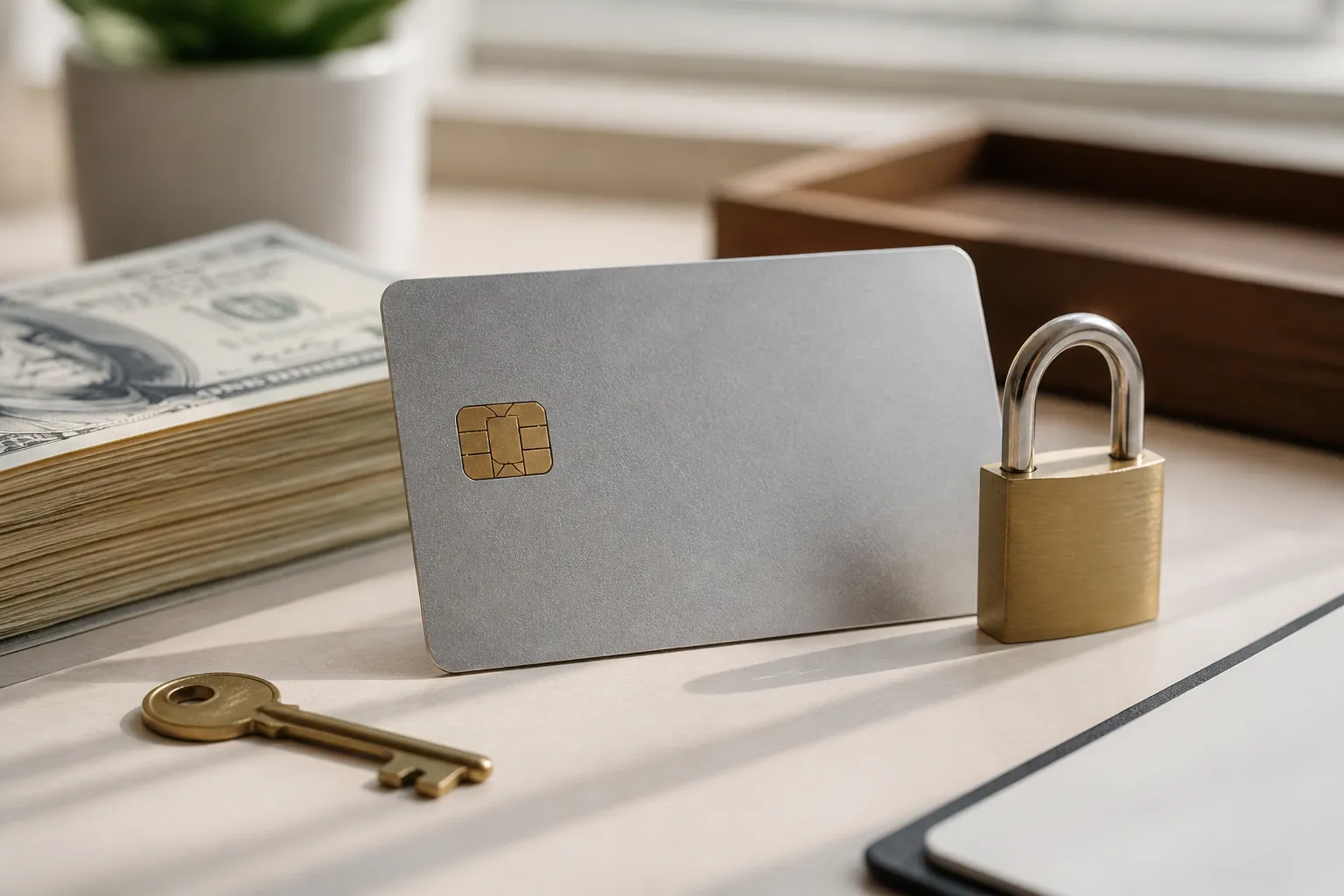
The CFPB explains that secured cards are primarily designed for individuals who do not qualify for an unsecured card. The collateral lowers the financial risk for the card issuer, allowing institutions to extend credit terms to borrowers with limited or damaged credit histories.
It is helpful to recognize that a secured card is a tool for building a verifiable credit record rather than a shortcut to unsecured borrowing. The card functions as a standard payment vehicle at the point of sale, but the underlying collateral deposit remains held by the issuer as long as the account remains open and secured.
What a secured credit card is
Understanding the basic mechanics of secured credit cards helps consumers evaluate whether the financial product fits their current goals. The deposit serves purely as collateral against non-payment. It does not act as a pre-paid balance that pays down monthly charges. Cardholders must make regular monthly payments on their charges just as they would with any credit account.
How payments and the deposit interact
When you use a secured card for purchases, making regular monthly payments restores your available balance up to the deposit amount. Each payment clears the outstanding charges and allows you to continue using the account up to your established limit.
The primary function of a secured card in credit building is the payment data transmitted to credit bureaus. The issuer reports account activity and payment history to the three nationwide credit reporting companies. These reports form the foundational data used to generate consumer credit histories and credit reports over time.
According to the CFPB, maintaining a consistent record of on-time payments demonstrates an ability to manage credit responsibly. Over time, an issuer may review the account to determine if the credit limit can be increased or if the cash deposit can be refunded, converting the account to an unsecured line. However, federal guidelines do not mandate a specific timeline for account reviews or deposit returns. Cardholders should not expect an automatic transition on a set calendar date.
To avoid extra costs, cardholders must ensure payments arrive by the stated due date. The CFPB notes that payments sent through postal mail should be dispatched several days early to prevent processing delays. Furthermore, paying the full account balance each month avoids accruing monthly finance charges and interest fees.
Costs and fees to compare
While secured credit cards provide access to the credit system, the CFPB warns that fee structures and interest rates on these accounts can be higher than average. Because pricing disclosure terms vary widely across financial institutions, consumers should examine the specific schedule of fees and interest rates provided in the application disclosures before submitting an application.
Consumers can also evaluate alternative credit-building tools mentioned in CFPB guidance, such as credit builder loans. With a credit builder loan, the borrower makes fixed monthly payments over a period typically ranging from six to 24 months. The loan funds are held in a secure account during the repayment term and are released to the borrower after the loan is paid off in full. Comparing the total administrative costs and interest expenses across different options helps consumers determine which product best aligns with their personal budget.
Credit utilization is another important factor in how accounts affect credit file evaluation. Some financial educators suggest keeping card balances below 30 percent of the credit limit, while others recommend staying under 10 percent. Standard scoring models evaluate how close an account balance is to the total credit line. However, no specific credit score increase or outcome can ever be guaranteed, as scores reflect a range of individual reporting factors.
Questions to ask before applying
Before filling out an application, consumers should verify how the card issuer manages payment reporting. The primary utility of a secured card is establishing a public credit history, so it is crucial to confirm that the financial institution reports monthly payment history to all three nationwide credit reporting agencies. An account that reports to only one agency or none at all offers limited utility for credit-building goals.
Applicants should request clear, written details regarding all applicable annual fees, maintenance charges, and interest rates. It is equally important to ask under what specific conditions and timeframe the issuer considers raising credit limits or returning the security deposit. Securing these disclosures in writing allows for direct comparison across different institutions.
Consumers can also explore whether other entry-level financial products are suitable. Options such as low-limit store cards or credit builder loans may provide alternative paths depending on individual credit histories. The Federal Trade Commission (FTC) provides official guides on comparing credit, charge, secured credit, debit, and prepaid cards, detailing how each financial vehicle differs in legal protections and daily mechanics.
The CFPB recommends consulting with a local credit union, bank, or nonprofit credit counseling agency to discuss options in an educational setting before opening new financial accounts.
Red flags and gaps to keep in mind
Consumers shopping for credit-building tools should remain alert to deceptive market practices. The CFPB explicitly states that rebuilding credit takes time and consistent payment history, and there are no quick fixes or legal shortcuts to remove accurate negative information. Offers that promise fast or guaranteed credit repair should be approached with extreme caution.
Be wary of high-pressure offers that encourage applying for multiple credit accounts in a short window. The CFPB notes that submitting multiple applications for new credit within a brief timeframe can result in multiple hard inquiries, which may temporarily lower a credit score.
Additionally, the FTC warns consumers against companies that demand upfront fees before delivering promised debt-relief or credit-improvement services. Federal standards under FTC regulations prohibit charging advance fees for debt settlement or credit repair assistance.
Several specific technical parameters fall outside general agency overviews. Official guides do not mandate uniform fee caps across all secured products, nor do they specify exact calendar dates for deposit refunds. Furthermore, the insurance status of a security deposit under federal deposit insurance depends on the specific deposit account structure established by the issuing bank or credit union. To manage accounts effectively, consumers should review official disclosures directly with their chosen lender and consult official consumer protection resources.
Please seek a professional. This article is general information, not financial, tax or insurance advice. Please seek a licensed financial, tax or insurance professional about your own situation.


