 Credit Score Education
 Credit Reporting & Consumer Rights
 Personal Finance Tips
 Budgeting & Money Management
 Identity Theft & Fraud Prevention
 Credit Card Education
 Consumer Financial News
 Cost of Living & Inflation
 Banking & Savings Education
 Consumer Protection & Financial Literacy


Household utility bills have a way of quietly reshaping a family ledger. When winter heating or summer cooling expenses spike, the adjustments happen at the kitchen table, often forcing tradeoffs against groceries or savings. While both state utility commissions and federal agencies operate programs designed to blunt these costs, navigating the bureaucracy requires sorting actual relief mechanisms from promotional noise.
Know what the main programs do
The federal government does not issue unrestricted cash grants to individuals for home repairs or utility relief. Instead, legitimate assistance flows through structured programs, each designed to solve a specific household balance sheet problem. Understanding the distinction between these efforts prevents wasted time during an energy crisis.
The Weatherization Assistance Program (WAP) focuses on long-term efficiency for low-income households. Rather than reimbursing an electric bill, WAP evaluates the entire structure. Technicians examine insulation, air leakage, and heating systems to identify physical fixes that permanently reduce energy consumption while improving home health and safety. You can learn more about its scope through the Department of Energy WAP overview.
By contrast, the Low Income Home Energy Assistance Program (LIHEAP) addresses immediate bill stress. If a household faces an immediate heating or cooling shutoff, LIHEAP is the primary channel for emergency assistance, though it can also fund minor efficiency improvements in some jurisdictions. Beyond these direct relief options, homeowners managing renovations or purchases may encounter energy-efficient financing, such as HUD Title I property improvement loans or Section 203(k) mortgage insurance. Eligible borrowers using 203(k) insurance may be able to roll up to $35,000 into their mortgage for repairs and structural improvements, though terms depend on lender underwriting and program limits.
Start with eligibility and the right office
Accessing these programs requires working through regional administrative pipelines. Because federal funds are distributed via formula grants, local intake offices establish the exact income cutoffs, documentation requirements, and priority lists for their territories.
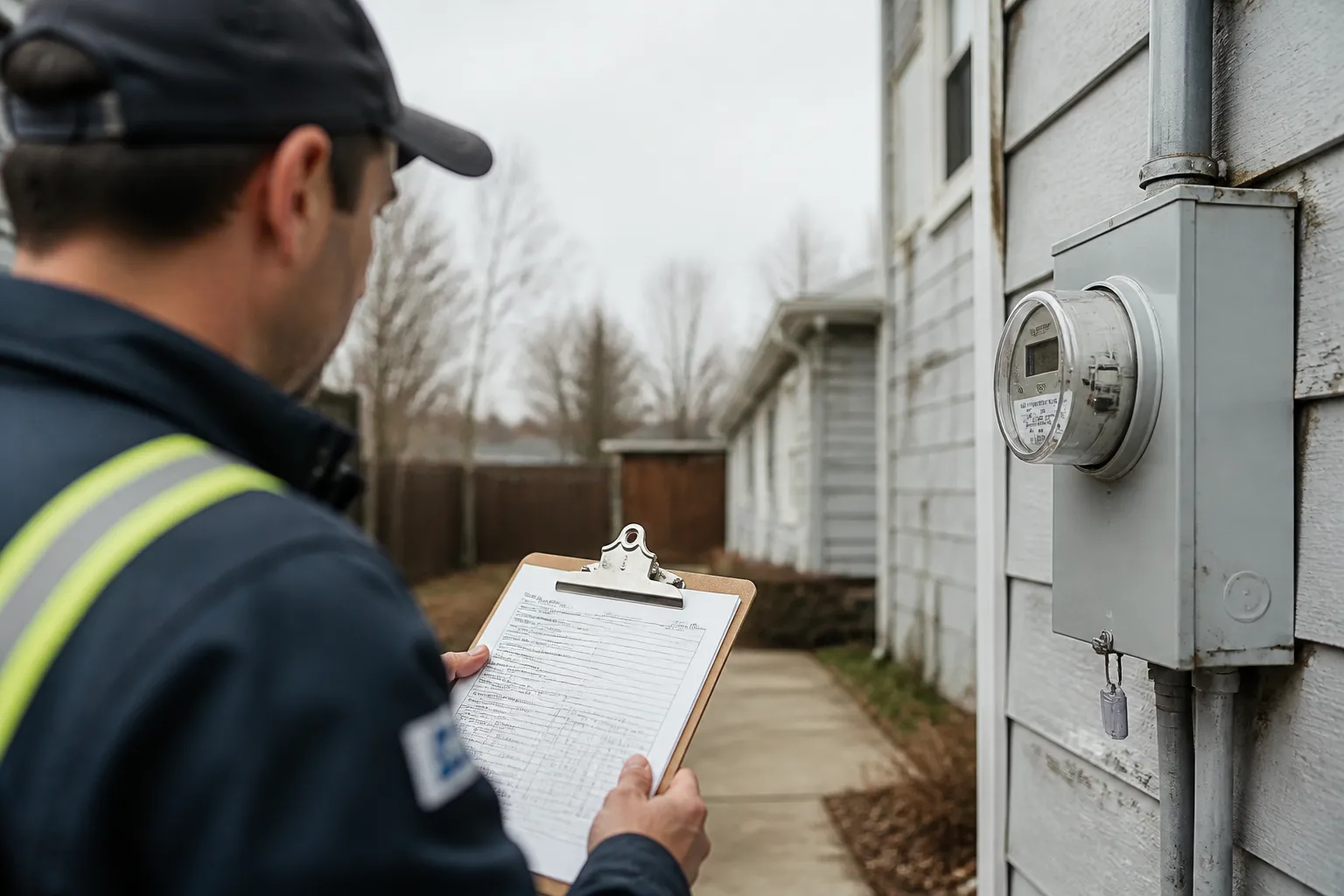
To apply for weatherization work, you must find your specific state office. The Department of Energy application portal directs households to their respective state administrators. While income limits generally track local median incomes and poverty guidelines, exact thresholds and waiting periods are not uniform across county lines. A family waiting on an energy audit in one county may face a six-month backlog, while another jurisdiction moves faster.
For bill payment emergencies through LIHEAP, intake typically runs through community action agencies or county social service departments. If you are exploring financing for an energy retrofit during a home sale or remodel, contacting your state energy office will clarify which local loan funds or credit enhancements are open. Requesting the specific paperwork requirements before submitting an application helps avoid preventable delays.
Check rebates and tax credits before you buy
For households that have the capital to replace broken appliances, relying on broad retail advice often leads to missed savings. Efficiency incentives vary radically by geography because local electric and gas utilities design their own demand-reduction incentives.
The Environmental Protection Agency maintains the ENERGY STAR Rebate Finder, an online clearinghouse that aggregates regional offers based on postal codes. Searching by area reveals stark geographic differences. In one suburban Denver zip code, the tool might catalog dozens of distinct utility rebates, while an urban Brooklyn postal code may display a completely different roster of equipment programs. Equipment categories in the database include:
- Central heat pumps and ductless mini-split systems
- Smart thermostats and automated controls
- High-efficiency natural gas and propane furnaces
- Heat pump water heaters and heat recovery units
Appliances carrying an ENERGY STAR rating meet strict efficiency criteria set by the EPA, but certification alone does not guarantee a local utility rebate. Always confirm whether an offer requires pre-approval, specific licensed contractors, or itemized equipment invoices before making a purchase. In addition, federal tax credits may apply to select home energy improvements, but rules change and should be confirmed with the relevant program guidance or a tax professional before calculating your net outlay.
Spot scams and understand what is unknown
High energy bills create fertile ground for deceptive marketing. Promoters frequently run online advertisements promising free government cash or guaranteed grants to replace windows, roofs, or solar panels. Official agencies do not disburse general repair grants to consumers over social media or unsolicited text messages.
Legitimate government programs always require an application, verification of income or property ownership, and direct communication through official channels ending in .gov or through regulated utility customer service lines. Be wary of any third party demanding upfront processing fees, high-pressure signatures, or sensitive identification numbers under the guise of an energy relief program.
Key procedural details remain outside broad public guides. Exact processing times, regional waitlists for physical weatherization audits, and specific utility rebate budget caps vary widely by provider. Treat published overviews as reference points rather than guarantees. Contact your local program agency directly, verify details using official resources like the Consumer Financial Protection Bureau or the Federal Trade Commission, and maintain written records of every quote and application submitted.