 Credit Score Education
 Credit Reporting & Consumer Rights
 Personal Finance Tips
 Budgeting & Money Management
 Identity Theft & Fraud Prevention
 Credit Card Education
 Consumer Financial News
 Cost of Living & Inflation
 Banking & Savings Education
 Consumer Protection & Financial Literacy

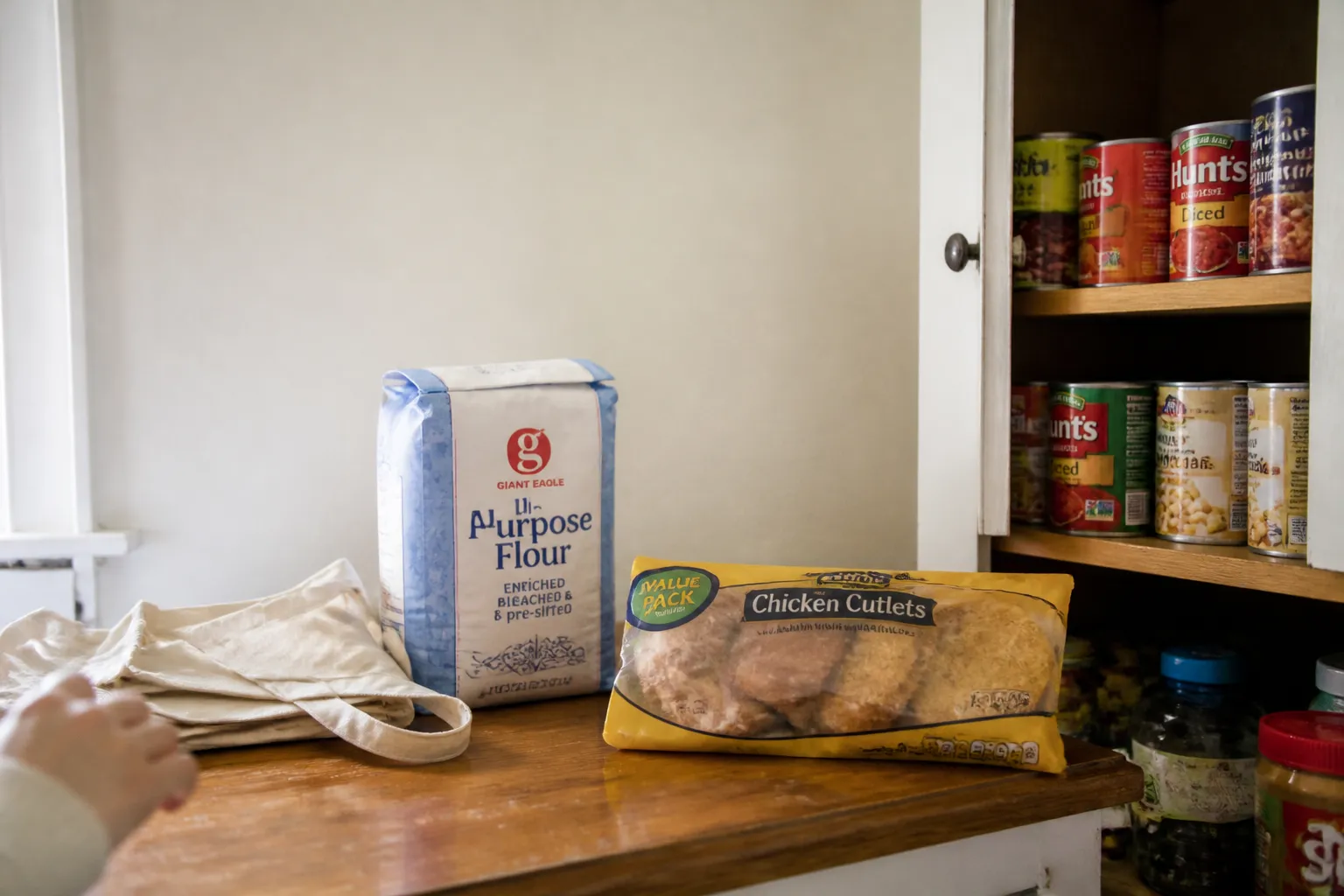
A ten-pound bag of flour or a family pack of chicken cutlets looks like an automatic hedge against grocery inflation. When prices climb week after week, walking out of the supermarket with heavier cartons feels like locking in savings before the next round of markup tags hits the shelves. Yet bigger packages often carry hidden math that quietly turns supposed bargains into household losses.
Start with the unit price, not the sticker price
A package is not automatically cheaper simply because it takes two hands to lift. Shelf tags in modern supermarkets usually display two distinct numbers: the retail price for the container and the unit price, which breaks the total down into cost per ounce, pound, gram, or quart. True comparisons require looking at the unit price and confirming that both items are measured using the identical unit of weight or volume.
Retailers do not always discount larger volumes. According to data highlighted by the National Institute of Standards and Technology, stores can and do apply surcharges to oversized goods. In one documented instance, a 64-ounce bottle of ketchup cost seven cents per ounce, while an adjacent 38-ounce bottle sat on the shelf at six cents per ounce. The consumer buying the heavier jug paid more for every single tablespoon. Running the basic math takes only a moment on a pocket calculator or phone: divide the total cost by the net weight, and let the lower unit figure dictate the choice on price alone.
Count what you will actually eat
The sticker on the shelf only tells you what the food costs to bring home. The actual ledger cost depends entirely on how much of that food you consume before it spoils. To find the honest unit price for your household, you have to divide the checkout price by the quantity that makes it onto a plate rather than into the trash bin.
Consider a standard retail scenario evaluated in grocery cost analyses. An eight-ounce pouch of shredded cheddar priced at $2.49 costs roughly 31.1 cents per ounce assuming every scrap is eaten. A 32-ounce bag of the same cheese priced at $6.99 drops the shelf unit price to about 21.8 cents per ounce. On paper, the large bag looks like an obvious winner. But the break-even volume sits at roughly 22.5 ounces. If a small household opens the large bag and watches mold form on the final quarter, throwing away ten ounces, the effective unit price on the consumed cheese spikes. The big bag only saves money if you reliably consume at least 70 percent of it before spoilage sets in.
Waste cuts deeply into family budgets across the country. Figures from the Environmental Protection Agency show that American residential kitchens generated 26.5 million tons of wasted food in 2019. Research shared by University of Missouri Extension notes that roughly 40 percent of edible food in the United States goes unused, costing an average family of four roughly $1,500 every year. When uneaten groceries go into the compost or trash, any initial volume discount vanishes immediately.
Check shelf life and storage before you buy
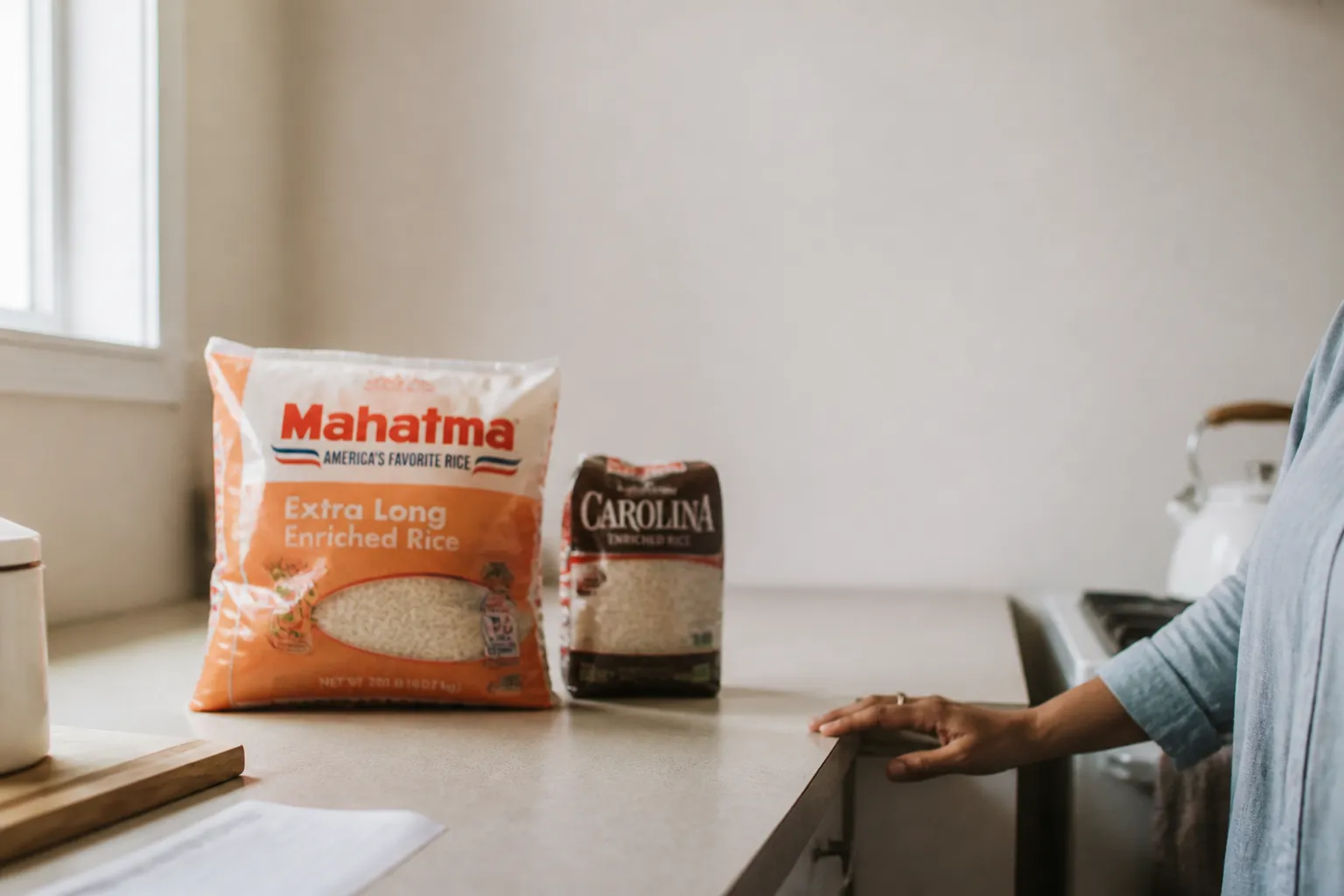
Pantry staples and perishables run on entirely different operational clocks. Dry goods like white rice and dried pasta can sit in a dark, cool cupboard for up to two years without noticeable decline. White flour and basic cooking oils generally hold their quality for six to twelve months before heat or oxidation causes off-flavors. If your weekly meal rotation regularly uses these items, buying dry bulk can make mechanical sense.
Fresh proteins demand more careful logistics. Freezing halts bacterial growth, but standard domestic freezers still allow textural and flavor degradation over time. Ground beef typically maintains good eating quality for three to four months in home freezing conditions, while whole cuts like steaks or roasts can hold up for four to twelve months. As specialists at Penn State Extension point out, taking advantage of bulk meat pricing requires dividing the package into single-meal portions and packing them tightly before freezing. If your freezer is already crowded, or if thawing and repacking does not fit your schedule, that discounted club pack risks ending up freezer-burned and discarded.
Watch for shrinkflation and changing package sizes
Package sizing is rarely static, especially during periods of persistent wholesale price pressure. Shrinkflation occurs when a manufacturer quietly reduces the contents of a container while maintaining the historical price point. Because the shelf tag looks familiar, shoppers often assume they are buying the same quantity they brought home six months earlier.
The Bureau of Labor Statistics tracks these shifts within the Consumer Price Index to capture true price inflation. In one classic retail example tracked by price analysts, a carton of ice cream reduced from 64 ounces to 60 ounces while holding steady at $5.99 represents a hidden 6.7 percent increase per ounce. A shopper who assumes the familiar tub remains a bulk bargain can easily end up paying premium rates without realizing the volume has contracted. Keeping a brief log of regular purchases, noting date, net weight, and total cost, can make these downsized packages stand out immediately.
Weigh decisions against current price trends
Broad price pressures continue to shape how families manage their food outlays. The all-items CPI index climbed 3.7 percent over the twelve months ending in late 2026, with overall grocery and restaurant prices moving up 2.5 percent over that window. According to the USDA Economic Research Service, all food prices are projected to rise another 2.9 percent across 2026, resting near the long-term historical average of 3.0 percent.
These shifts are not uniform across the aisles. The USDA projects grocery store prices to rise roughly 2.4 percent while restaurant meals climb 3.5 percent. Specific food categories show even wider variation: beef, fresh vegetables, sugar, and seafood are forecast to outpace general inflation, while commodity items like eggs are projected to see steep price declines. While stocking up on items facing steep price pressures might sound practical, broad forecasts do not guarantee specific savings at your local store. Committing cash to bulk purchases also ties up household liquidity that might be needed for utility bills or unexpected repairs.
A field checklist for the grocery aisle
Before moving a high-capacity carton or club pack into your cart, run through four basic checks:
- Compare exact unit prices: Verify that the cost per ounce or per gram on the large container is genuinely lower than the standard size. Never assume volume equals value.
- Calculate the consumption window: Look at the best-by date and determine how many days your household needs to finish the item. If you cannot realistically eat it within that window, select the smaller container.
- Audit real storage capacity: Confirm that you have physical shelf room in the pantry or adequate cubic feet in the freezer before buying multi-packs of frozen or refrigerated goods.
- Check the net weight: Scan familiar cartons to ensure the net ounces have not dropped while the retail price held firm.
For more detailed tools on consumer rights, weights and measures, or deceptive packaging complaints, visit the Federal Trade Commission or the Consumer Financial Protection Bureau. Staying focused on unit pricing and kitchen waste ensures that rising shelf prices do not dictate your household ledger.