 Credit Score Education
 Credit Reporting & Consumer Rights
 Personal Finance Tips
 Budgeting & Money Management
 Identity Theft & Fraud Prevention
 Credit Card Education
 Consumer Financial News
 Cost of Living & Inflation
 Banking & Savings Education
 Consumer Protection & Financial Literacy


The invoice says $75 more than you expected, and the line item reads "software." That is a small, odd charge. It also points to a bigger shift in what it costs to keep a car running.
What the price data shows
The Bureau of Labor Statistics tracks maintenance and repair prices in its Consumer Price Index. The series is cataloged by the Federal Reserve Bank of St. Louis. It read 452.383 in May 2026. It then climbed every month: 457.313 in June, 460.185 in July, 465.136 in August and 468.491 in September.
That is about a 3.6 percent rise in four months. The index measures price direction, not what any one shop will charge. It cannot tell you what brake pads cost in your town. It does say that the direction of garage pricing has been up.
A secondary report from Carscoops, citing St. Louis Fed data, says repair costs rose about 60 percent from January 2019 to August 2026. It puts general inflation over the same stretch at about 32 percent. Those figures come through a second outlet, so check them against the FRED series directly. The outlet also uses charged language about industry greed without showing its work. Treat that part as opinion.
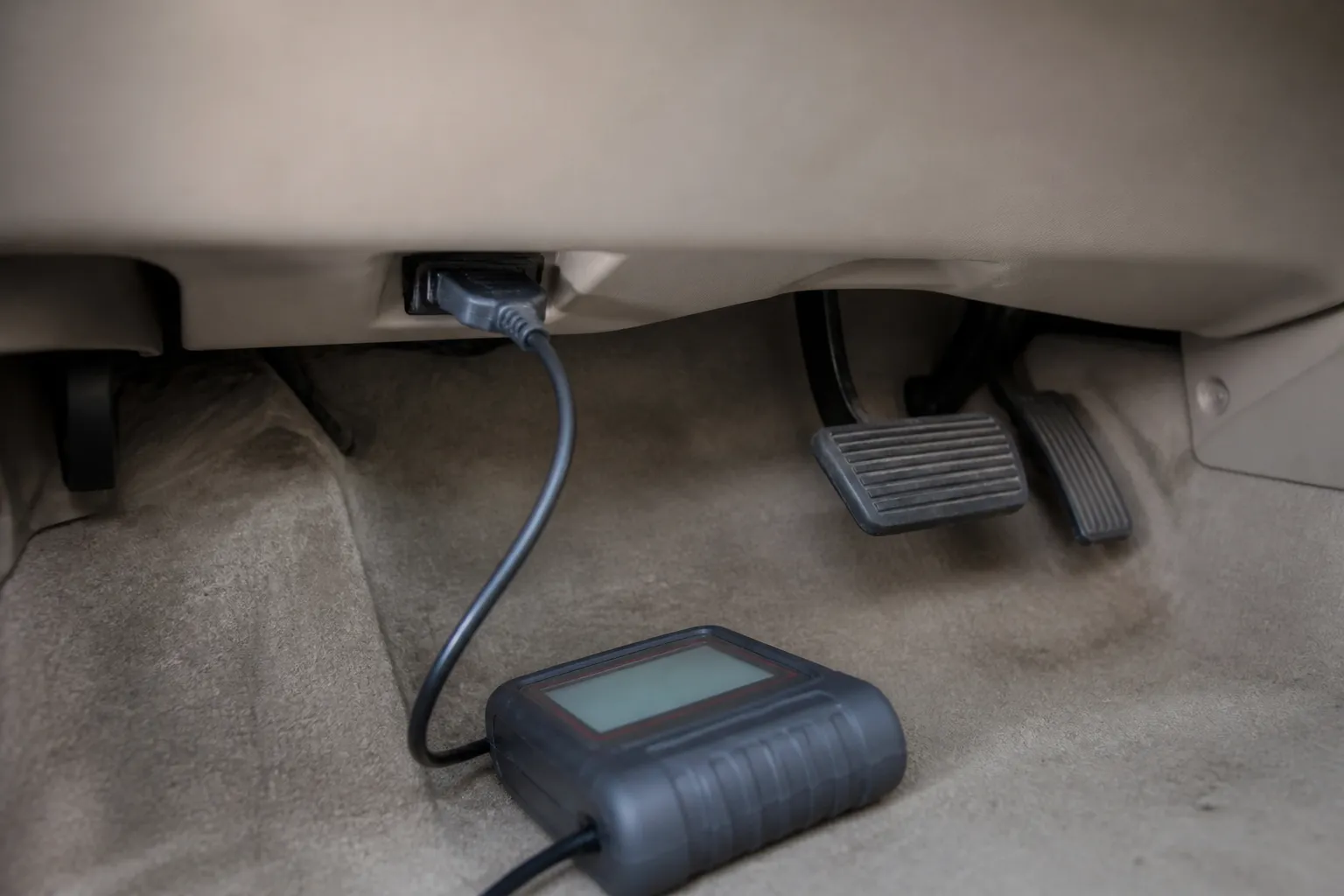
Why repair and maintenance costs are rising
Carscoops ties much of the increase to vehicle technology. Most modern repairs now need a laptop and software. That software is often sold as a subscription, with terms that run from a few hours to a few years.
Smaller shops reportedly cannot absorb these equipment costs. So they pass them on. Brand-specific diagnostic tools and annual software updates become a line on your bill, sometimes labeled diagnostic, sometimes administrative.
Carscoops also says an oil change can pick up to $75 in extra charges because of the software needed to reset the oil change interval. Not every shop charges this. The figure is one reported example, not a typical price. It does show how a simple job can cost more than the oil and the filter.
The same report cites a 2023 study that found collision repair costs up 37.6 percent. Carscoops names the source oddly, so that number needs checking before anyone leans on it.
How this fits into total ownership costs
Maintenance competes with everything else a car demands. AAA's 2026 driving costs analysis puts the average annual cost to own and operate a new vehicle at $12,863. That is $1,071.92 a month. The 2025 figure was $11,577, or $964.78 a month. AAA says methodology changed, so the two years are not directly comparable.
Depreciation is the largest single cost, at a weighted average of $4,422 a year. Fuel adds pressure. AAA reports regular gasoline averaged $4.152 per gallon, up 31.8 percent from 2025. Home EV charging averaged 18.0 cents per kWh, up 7.8 percent.
When fuel takes more, less is left for the work a car needs. A household that treats upkeep as a surprise tends to feel each bill as a shock. Treating it as a regular expense is a plainer approach. The sources here do not say how large a repair reserve should be, so any figure is a household decision.
Planning around the owner's manual
Many drivers hear about the 30-60-90 rule, which groups service at 30,000, 60,000 and 90,000 miles. It is shorthand. The owner's manual sets the real intervals, and nothing binds a driver to the summary.
One repair shop's guide offers rough costs. It lists spark plugs from about $100 near 60,000 miles and a timing belt job near $1,000 at 90,000 miles, with a water pump pushing that higher. That guide comes from a shop that sells those services. Use those numbers only as a loose reference and get local quotes.
Check whether your engine even has a belt. Some use a timing chain instead. Reading the manual first keeps you from paying for work the factory does not call for.
Scheduled maintenance can be planned and funded over months. A failed part on the road can mean a tow and damage to other components. That difference is the main budgeting argument for keeping up with service.
Questions to ask before paying
A few questions can make an estimate easier to read:
- Does the quoted price include any software or interval-reset fee?
- Which part of the total is labor, and which is parts or software access?
- Does my engine use a timing belt, and does the water pump job apply?
Compare the same service at more than one shop. Software and equipment fees can differ from one garage to the next. Keep receipts for all scheduled maintenance, in case a warranty question comes up later.
Be careful with sweeping legal claims. One shop blog says independent service can never affect a factory warranty under federal law. No government source in our research supports that claim. Check your warranty terms in the factory paperwork. For repair authorization and billing rights, the sources here offer no regulator guidance, so look to your state consumer protection office.