 Credit Score Education
 Credit Reporting & Consumer Rights
 Personal Finance Tips
 Budgeting & Money Management
 Identity Theft & Fraud Prevention
 Credit Card Education
 Consumer Financial News
 Cost of Living & Inflation
 Banking & Savings Education
 Consumer Protection & Financial Literacy

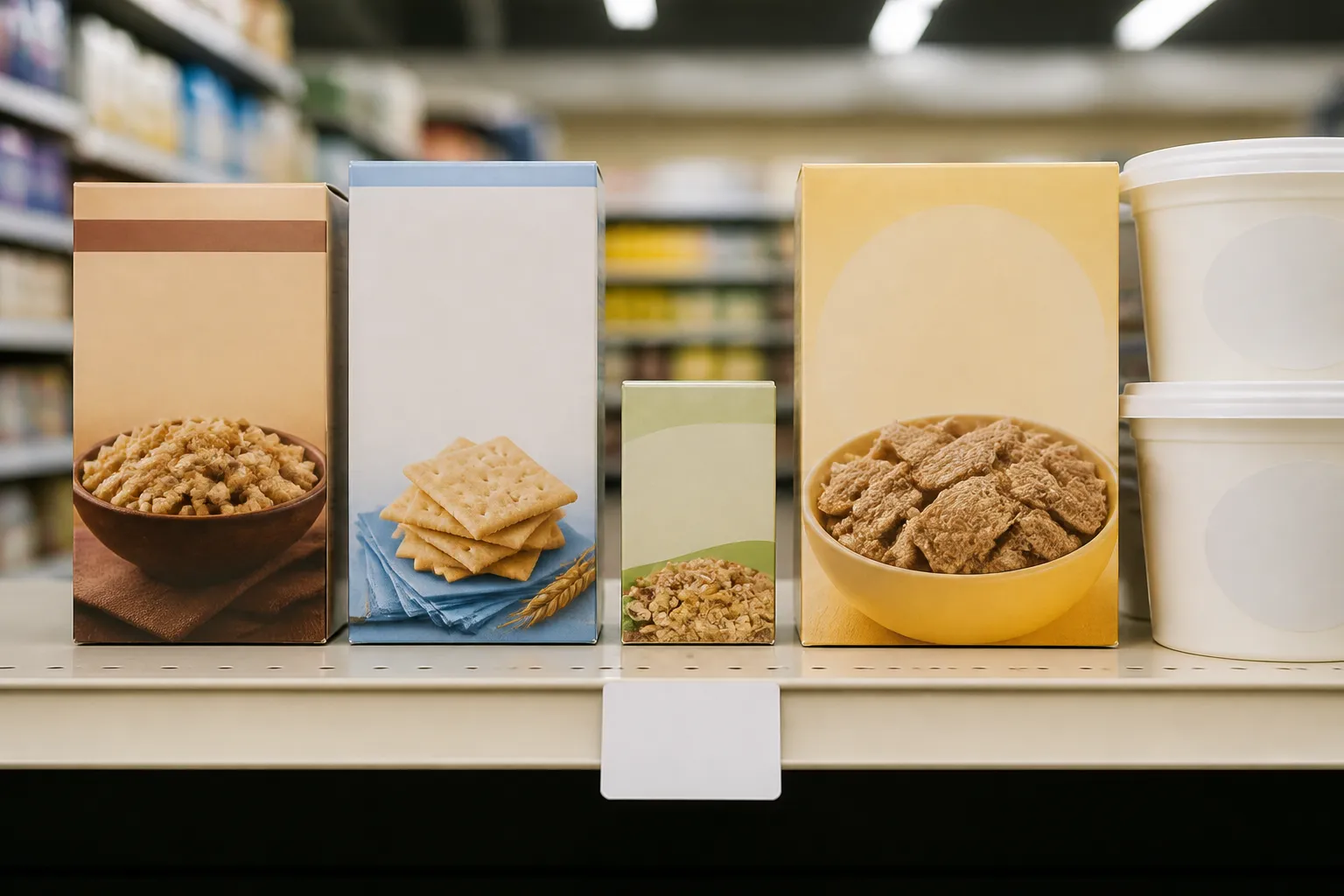
A grocery cart holds roughly the same cardboard boxes and plastic tubs each month, yet the pantry empties a few days sooner. When manufacturers cut the quantity of a product without dropping the price to match, shoppers experience what economists and consumer analysts call shrinkflation. The carton looks familiar, the register rings up the usual number, and the actual volume inside quietly shrinks.
What shrinkflation means at the register
Shrinkflation, often recorded in federal agency reports as product downsizing, happens when a maker reduces net contents while leaving the shelf price intact or trimming it only slightly. According to reporting from the U.S. Government Accountability Office, this maneuver means the buyer pays more for every ounce, gram, or count, even when the receipt shows no obvious increase.
A classic illustration documented by the Government Accountability Office involves the standard pint of ice cream. A traditional pint contains 16 fluid ounces. When a container is resized down to 14 fluid ounces while selling for the previous 16-ounce price, the cost per ounce rises immediately. Shrinkflation is a widespread descriptive phrase rather than an official regulatory classification. Package labels do not carry warning banners to announce the trim, which leaves the math entirely to the consumer.
Why sticker prices can mislead
A lower sticker price does not automatically signal a bargain. If a manufacturer drops the price of a box of crackers by five percent while paring the weight down by fifteen percent, the consumer pays a steeper rate for food. Looking strictly at the total printed on the receipt obscures the real shift in unit value.
The calculation requires dividing the shelf price by the net weight or volume printed on the packaging. When comparing a past purchase with a current one, that unit figure reveals the change. A household may feel satisfied paying four dollars instead of four dollars and fifty cents, yet they might be receiving twenty percent less material. Over the course of twelve months, buying smaller containers to feed the same household can quietly add substantial expense to the monthly food ledger.
How downsizing patterns shift over time
Downsizing is not uniform from year to year. GAO analysis shows that reports of downsizing reached a notable peak around 2015 before falling to lower frequencies during 2020 and 2021. As general price pressures accelerated in early 2022, instances of packaging reductions climbed again across retail channels.
Longitudinal findings published in the INFORMS journal Marketing Science indicate that shrinkflation has operated across consumer goods for well over a decade, with packages shrinking far more often than they expand. Industry examples gathered in 2022 by the Consumer Federation of America tracked toilet paper rolls that dropped from 340 sheets to 312 sheets, cookie packages trimmed from 11.3 ounces to 9.75 ounces, and sports drinks reduced from 32 ounces to 28 ounces.
Even with these visible retail shifts, the broader impact on headline government inflation figures has remained small. Analysis from the Bureau of Labor Statistics explains that the Consumer Price Index adjusts for changes in package dimensions when tracking prices. Between 2019 and 2024, downsized products accounted for a relatively small percentage of the thousands of items tracked, keeping the overall effect on top-line inflation metrics modest even while individual pantry staples shifted significantly.
Why changes often pass unnoticed
Consumer behavior studies show that shoppers notice changes to the sticker price far more readily than subtle shifts in container dimensions. When a bottle maintains its general height and label artwork, the human eye assumes the contents remain unchanged. Familiarity and brand trust create habits, and few people memorize the fluid ounce markings on their regular purchases.
On the supplier side, companies balance production expenses, raw material price spikes, profit targets, and competitor pricing. When faced with rising costs, a manufacturer may conclude that trimming net volume preserves market share better than posting an outright price hike. However, as noted in the INFORMS research, smaller packages often lead families to run out faster and purchase additional units over time, which increases cumulative retail spending without a single headline price shock.
How to spot shrinkflation on the shelf
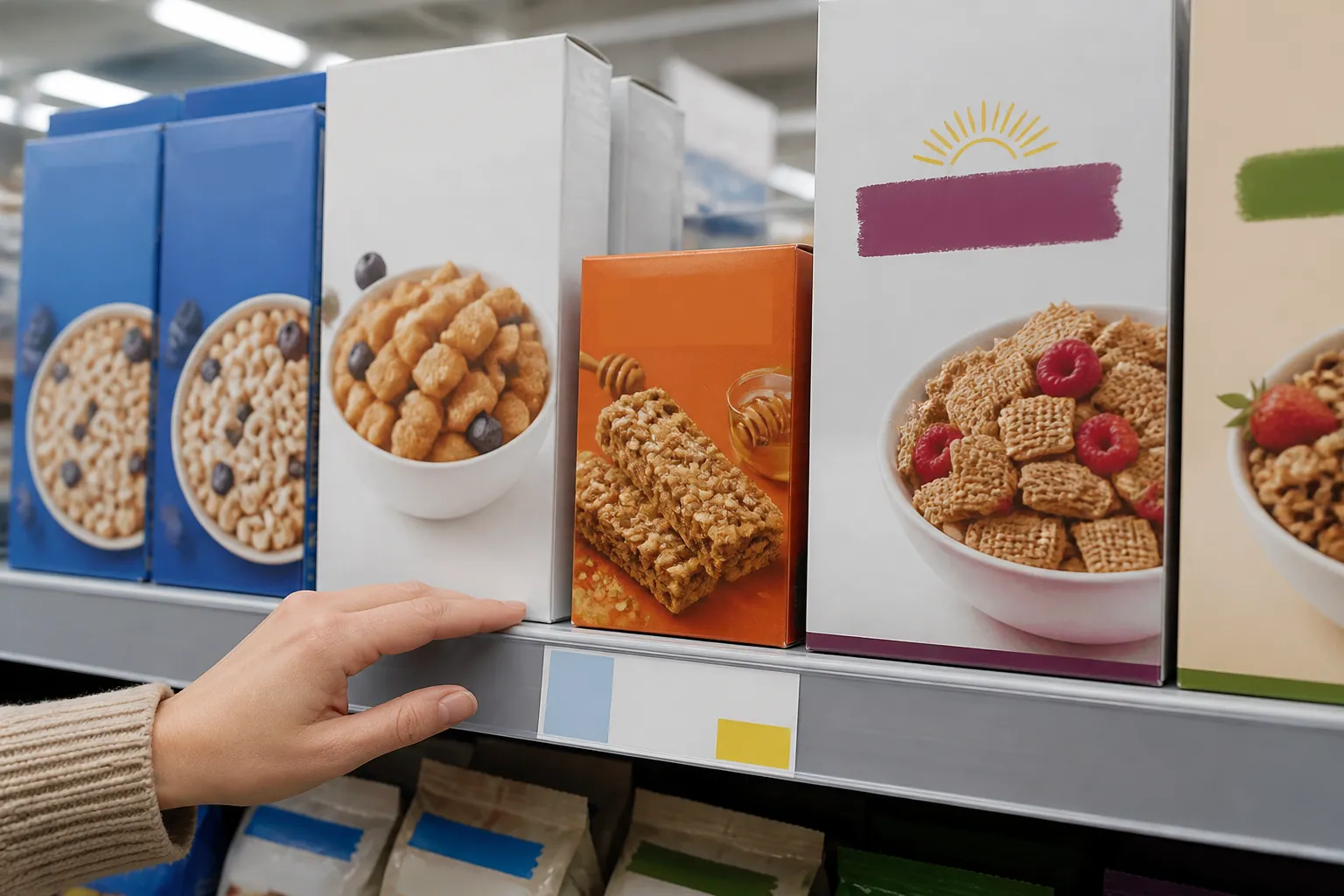
Spotting a trimmed product requires looking past the brand marketing to the small print on the edge of the shelf. Shoppers can protect their food budgets by using a few practical checks during regular trips:
- Examine the unit price label: The National Institute of Standards and Technology highlights uniform unit pricing as a direct way to evaluate value across competing shelf items. Look for the price per ounce, pound, or 100 count printed on the store tag.
- Inspect the bottom corners of packaging: Manufacturers must print net weight or fluid ounces on the front face. Compare that figure against your recollection or past receipts.
- Watch standard repeat staples: Paper towels, bagged cereal, snack crackers, packaged dairy, and cleaning liquids remain frequent targets for gradual package adjustments.
- Beware redesign announcements: Banners on packaging announcing a new shape or modern look sometimes accompany a silent downward adjustment in total volume.
Gaps in the public record and next steps
Federal research and academic papers offer valuable context, but public datasets do not provide real-time shelf prices for specific neighborhood grocers. Shoppers cannot rely on government studies to know what an individual store charges this morning.
Current federal rules do not broadly prohibit companies from changing package sizes, provided the actual net quantity printed on the exterior remains accurate. For consumers who suspect deceptive shelf tags or misleading shelf promotions, state consumer protection offices, the Federal Trade Commission, and the Consumer Financial Protection Bureau provide official channels to review retail complaints. Maintaining a simple personal ledger of unit costs for frequent household purchases remains the most dependable defense against unexpected changes at the grocery store.