Credit Score Education
 Credit Reporting & Consumer Rights
 Personal Finance Tips
 Budgeting & Money Management
 Identity Theft & Fraud Prevention
 Credit Card Education
 Consumer Financial News
 Cost of Living & Inflation
 Banking & Savings Education
 Consumer Protection & Financial Literacy

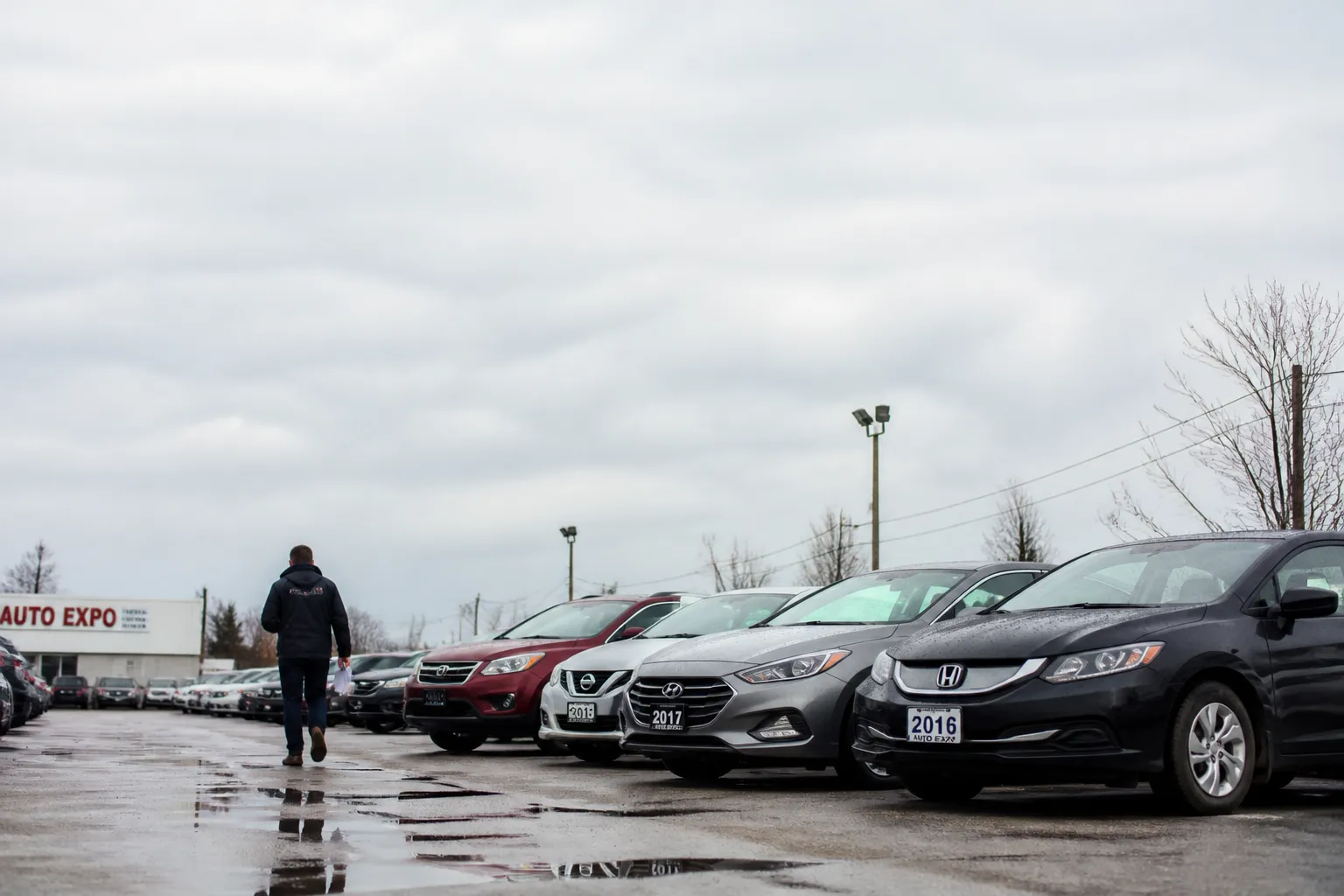
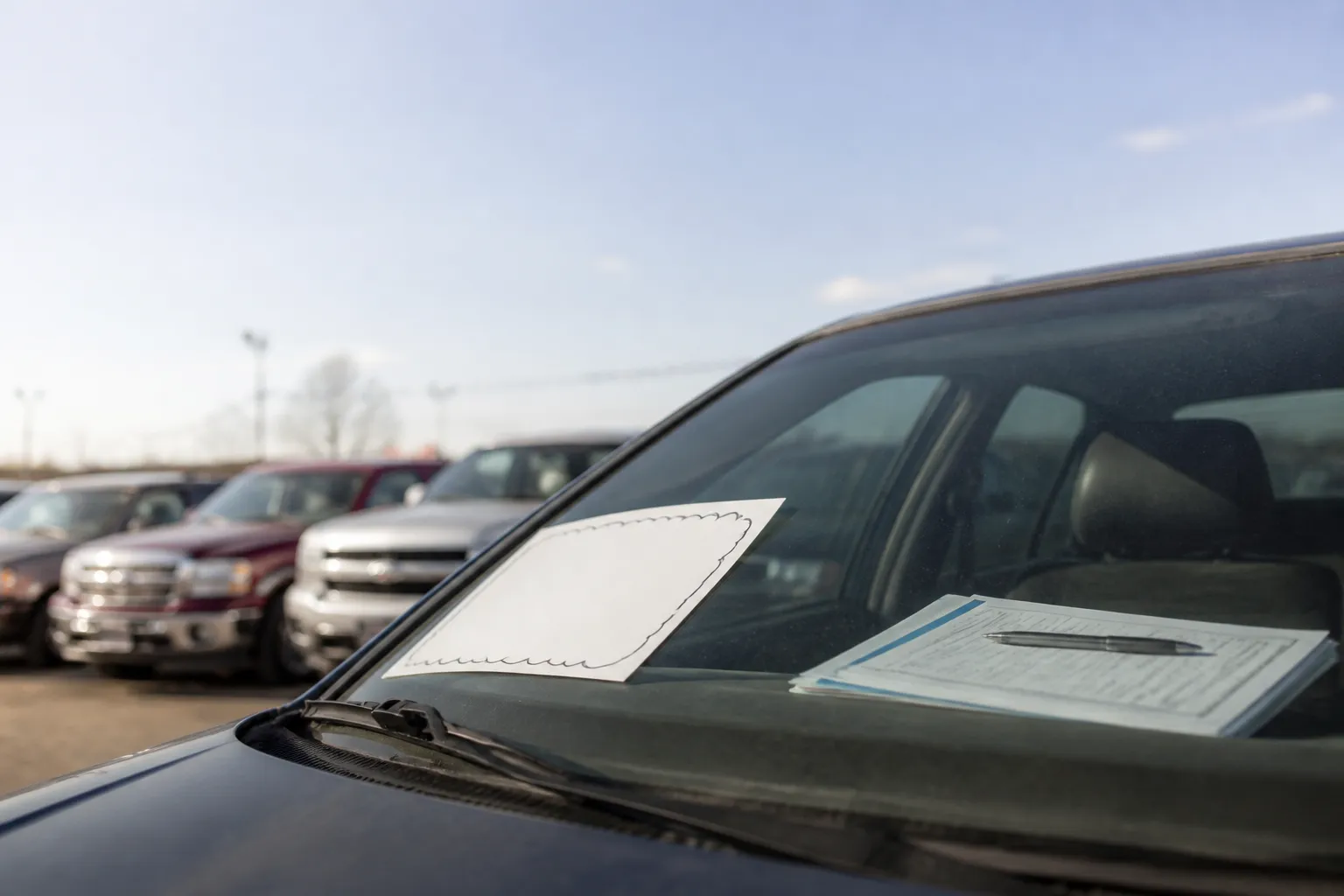
Buying a used car puts two numbers in front of a household. One is the price on the windshield card. The other is the monthly payment in the financing paperwork. Federal agencies publish data on both, but they publish them separately, and neither one is a quote for any single deal.
What the CPI used cars index measures
The Consumer Price Index for used cars and trucks is maintained by the Bureau of Labor Statistics. It is an index. It tracks how a price measure moves over time. It does not state what any one vehicle costs on a dealer lot. The bureau publishes an overview on measuring price change for used cars and trucks. The text of that page could not be checked for this article, so the sampling and adjustment methods are not described here.
Historical values are available through FRED, the St. Louis Fed database. The series for used cars and trucks in the U.S. city average sets 1982 to 1984 equal to 100. The monthly seasonally adjusted values were 180.005 in May 2026, 179.591 in June, 180.306 in July, 180.965 in August and 182.176 in September. FRED last updated the series on October 14, 2026.
That is a modest dip followed by three straight rises. It says nothing about a trade-in allowance or the final sum negotiated at a dealership.
The bureau also posts notices about CPI methodology changes for 2023. The retrieved text of that notice gave no specifics, so its contents are not summarized here.
What the CFPB auto loan data measures
The Consumer Financial Protection Bureau watches the lending side. Its documentation on auto loan trends describes auto loans as closed-end loans used to finance a new or used vehicle, with the vehicle serving as collateral.
In March 2026, lenders originated about 2.5 million auto loans, with $78.8 billion in dollar volume for new loans. Year over year, originations fell 0.8 percent in March 2026. Inquiries fell 4.1 percent in July 2026. The credit tightness measure fell 1.0 percent in May 2026. These figures count contracts and dollars. They do not price any individual vehicle.
The numbers come from the CFPB Consumer Credit Information Panel, and the bureau details auto loan origination activity with raw monthly counts and a seasonally adjusted series. Data from the most recent six months is not final, and the latest origination month shown is March 2026.
Why the two measures do not line up
The CPI series follows a price measure for used vehicles. The CFPB series follow loan counts, dollars and applicant outcomes. A move in one does not explain a move in the other, and the sources reviewed do not connect the used car index to interest rates, monthly payments or loan terms.
The CFPB credit tightness index counts consumers who made an auto loan inquiry but did not open a loan afterward. It is indexed to January 2010. It reflects lending outcomes, not the sale price of a car.
The National Bureau of Economic Research offers wider context. Its overview of consumer credit markets describes credit as tightly linked to consumption, financial distress and the transmission of monetary policy. It also says credit-market disruptions have real effects on outcomes, including car prices. The underlying working paper could not be read, so its specific findings on used cars are not reported here.
How credit scores appear in the data
The CFPB sorts auto loans into tiers by FICO Score 8 in its borrower risk profiles:
- Deep subprime: below 580
- Subprime: 580 to 619
- Near-prime: 620 to 659
- Prime: 660 to 719
- Super-prime: 720 and above
The tier charts show how lending volume has shifted across these groups. They do not say what rate, down payment or loan length any household will be offered. The sources reviewed give no typical rates, terms or down payment norms.
What a buyer can do with this
National data cannot price your car or your loan. The written estimate can. Ask for the price and the financing terms on paper, then compare them line by line. Check that the vehicle price on the estimate matches the price you were quoted. Check that the loan amount, the rate, the number of payments and the monthly payment match what you were told. Ask about any fee or add-on you do not recognize.
The sources here do not set out a shopping checklist, so treat this as a simple habit rather than an official standard. The index and the lending figures are background. The paperwork in front of you is the deal.
Please seek a professional. This article is general information, not financial, tax or insurance advice. Please seek a licensed financial, tax or insurance professional about your own situation.