 Credit Score Education
 Credit Reporting & Consumer Rights
 Personal Finance Tips
 Budgeting & Money Management
 Identity Theft & Fraud Prevention
 Credit Card Education
 Consumer Financial News
 Cost of Living & Inflation
 Banking & Savings Education
 Consumer Protection & Financial Literacy

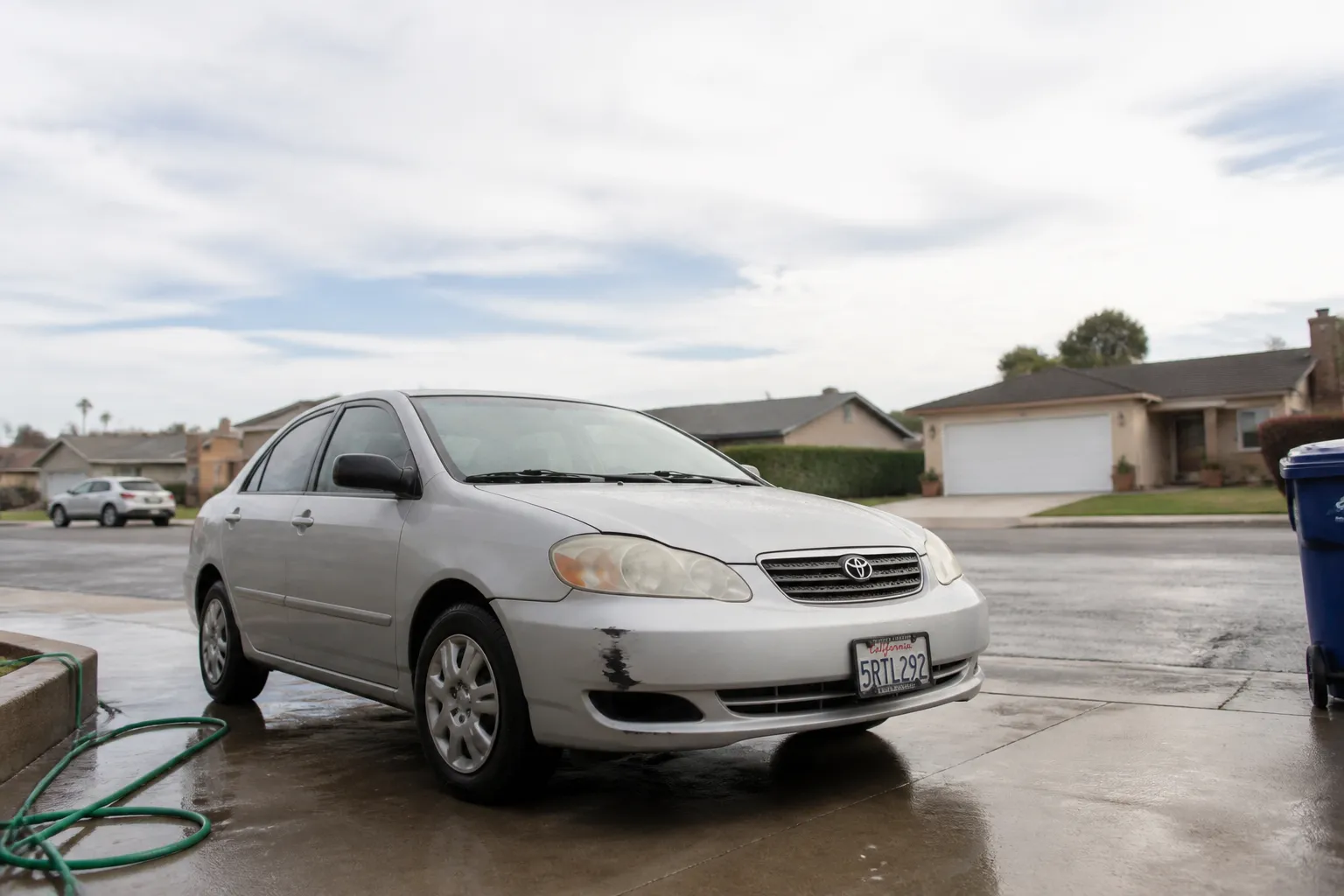
The repair estimate arrives before the claim payment, and the amount on the estimate is not necessarily the amount your insurer will pay. If your policy covers the damage, you may still be responsible for the deductible. Knowing that number before an accident can help you fit a possible out-of-pocket bill into your monthly budget, instead of trying to find the cash while coordinating repairs.

Find the deductible and the coverage it belongs to
Start with your auto policy’s declarations page, often the front page of the policy. It lists the coverage terms and deductible amounts that apply. A deductible is the portion of a covered loss you are responsible for. The insurer subtracts it from the amount it pays toward that loss.
Check which coverage applies to damage to your own car. Collision and comprehensive coverage may have deductibles, and the deductible for the coverage involved is the figure to check. A deductible generally applies to property damage, not the liability part of an auto policy. The details depend on the policy, so do not assume that one deductible applies to every kind of claim.
Most auto deductibles are shown as a fixed dollar amount. The Insurance Information Institute explains that percentage deductibles generally apply to homeowners policies. If your policy wording is unclear, ask the insurer to identify the deductible for the specific coverage and explain how it applies. The Insurance Information Institute’s deductible overview explains the basic terms.
Translate the deductible into a claim-time amount
For a simple example, suppose a covered loss is valued at $10,000 and the deductible is $500. The insurer’s payment would be $9,500, assuming the loss and payment are otherwise covered as described. The deductible is the gap between the covered loss and that payment. It is not an extra fee added on top of the repair cost.
That example does not tell you exactly when or how you will pay. The sources reviewed do not establish whether a deductible is paid directly to a repair shop before an insurer pays, or how payment is handled in every claim. Before repairs begin, ask the insurer and the shop what amount you may need to pay, when it is due, and how the claim payment will be coordinated. This can help you place the bill on the right part of your calendar.
Also keep in mind that auto deductibles generally apply each time you file a claim. If more than one claim occurs during a policy period, the amount you may owe can depend on the number of claims and the coverage involved. Your declarations page is a starting point, not a forecast of every possible claim.
Put the possible bill on your budget calendar
Write down the deductible amount and the coverage beside it. Then compare that figure with the dates your regular income arrives and your fixed bills are due. For example, if the deductible is $500, listing it as a possible car expense makes the target concrete. It does not mean the expense is due every month. It means you can see the size of the cash gap a claim might create.
The Consumer Financial Protection Bureau describes an emergency fund as cash set aside for unplanned expenses and includes car repairs as an example. A deductible may be one such expense. You could track a separate reserve in your budget and add to it over time, based on what your regular expenses allow. The CFPB’s guide to building an emergency fund offers general information about planning for unexpected costs.
There is no source-based formula here for how much every driver should save. Your deductible is a useful baseline for planning, but other repair costs or timing issues may affect what cash you need. If you are still building a reserve, you can note the full deductible as a goal and record any amount already set aside. That gives the budget a clear number without treating an unfinished reserve as money available today.
Compare the monthly savings with the claim-time cost
A deductible is one way the policyholder and insurer share the cost of risk. In general, a higher deductible can mean a lower premium. The Insurance Information Institute notes that raising a dollar deductible from $200 to $500 can reduce the premium for optional collision and comprehensive coverage, and a $1,000 deductible may save more. The actual premium change depends on the policy and insurer.
When comparing deductible options, put both amounts on the same page: the premium difference over the months you would pay it, and the larger amount you would need to cover if a claim applies. A lower recurring bill may free up room in a monthly budget, while a higher deductible may require more cash at claim time. The tradeoff is easier to assess when you can see the deductible next to your current reserve and bill dates.
Ask what deductible options are available and what premium change each option would produce. Also ask whether the deductible applies per claim, which coverage it belongs to, and whether it applies to the type of damage in question. State insurance rules vary, and policy terms matter. For questions about local requirements, consult your state insurance regulator and review the policy language.
Make a short checklist before a claim
Before a repair bill becomes urgent, keep the key details easy to find. A few written answers can help you understand the likely cash requirement and plan around its timing:
- What deductible is listed for the coverage that may pay for damage to your car?
- Does that deductible apply to each claim, and does it apply to this kind of loss?
- What amount may be due to the repair shop, and when?
- How will the insurer’s payment and your payment be coordinated?
- If comparing options, what premium change comes with each deductible amount?
Do not treat a general example as a guarantee about your claim. The policy, the damage, and the claim process determine the actual amounts and timing. If you are unsure, ask the insurer to explain the coverage and ask the repair shop to explain its payment schedule before authorizing work. A number written on a budget calendar cannot prevent an accident, but it can make the first money question easier to answer.
Please seek a professional. This article is general information, not financial, tax or insurance advice. Please seek a licensed financial, tax or insurance professional about your own situation.


