 Credit Score Education
 Credit Reporting & Consumer Rights
 Personal Finance Tips
 Budgeting & Money Management
 Identity Theft & Fraud Prevention
 Credit Card Education
 Consumer Financial News
 Cost of Living & Inflation
 Banking & Savings Education
 Consumer Protection & Financial Literacy

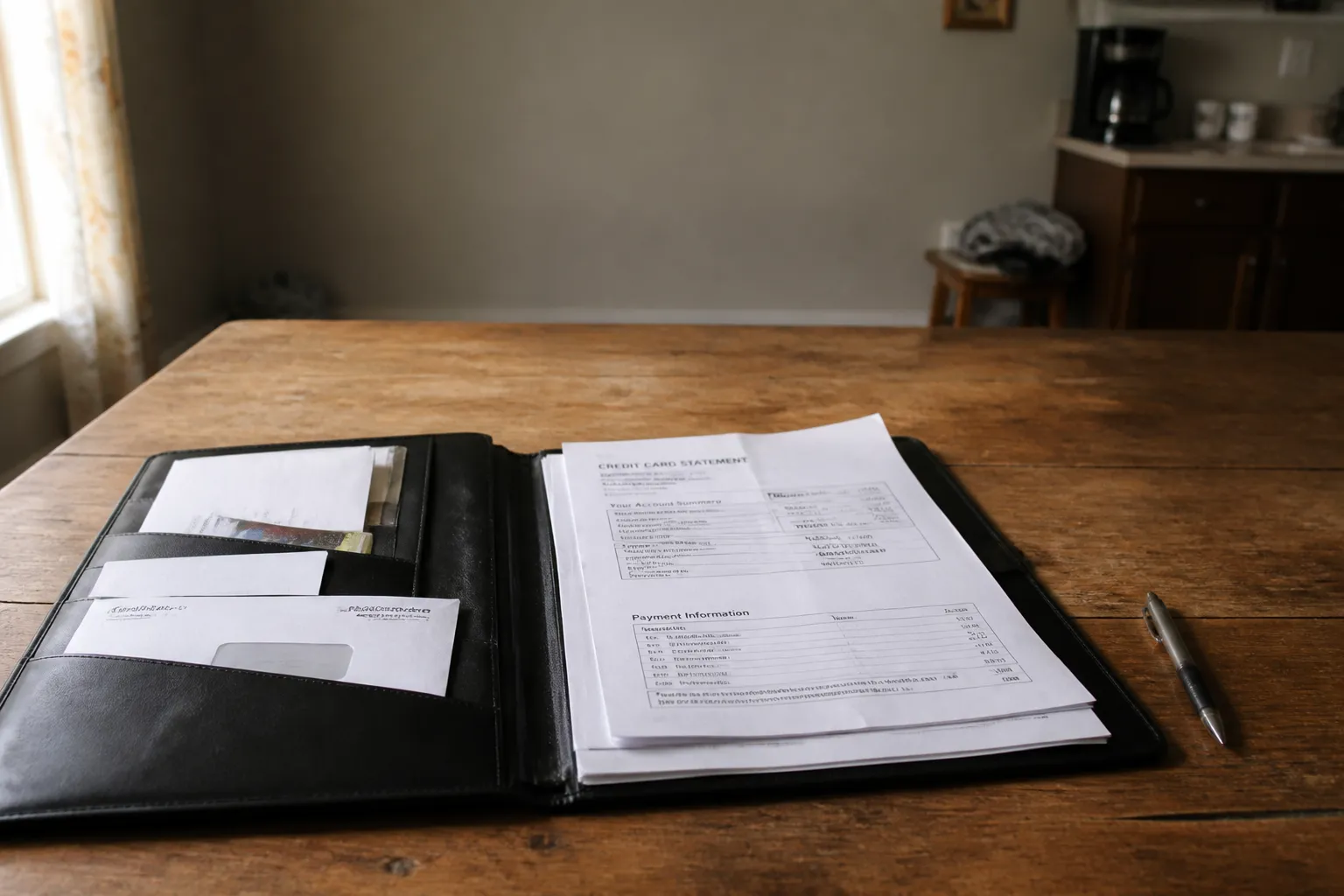
When you dispute a credit card charge, you trigger a specific federal process with your card issuer. If the merchant responds by turning the unpaid balance over to a collection agency, you suddenly face an entirely different set of rules. Many cardholders assume that winning or filing a credit card chargeback shields them from outside collection demands, but the law treats these two conflicts as separate tracks.

A credit card dispute addresses whether a specific charge belongs on your monthly billing statement under the Truth in Lending Act and federal billing error regulations. A collection notice, by contrast, asserts that you owe an underlying contract debt to a creditor or merchant. Knowing which legal framework governs each notice keeps you from sending the wrong letter to the wrong company and missing strict statutory windows.
Federal agencies such as the Consumer Financial Protection Bureau provide defined paths to challenge both billing errors and third-party debt claims. Because the two clocks run at the same time, understanding your rights under each rule helps you protect your records, your rights, and your peace of mind.
Separate the billing dispute from the collection notice
The first critical step is identifying who sent each document and what authority they cite. When you spot an incorrect line item on your card statement, your dispute is with the card issuer. According to the Consumer Financial Protection Bureau (CFPB), disputing a charge on your credit card bill requires following formal billing error procedures with your card company.
A collection letter comes from a different entity: a merchant or, more often, a third-party collection agency seeking payment on an alleged unpaid account. The CFPB notes that a dispute about whether you owe a debt goes to the debt collector, not the card issuer. If that debt later appears incorrectly on your credit file, that becomes a third issue that goes directly to the consumer reporting agencies and the company furnishing the information.
Mailing a billing dispute notice to a debt collector does not trigger card error rules, just as sending a debt verification demand to your card issuer does not stop a collection agency. Reading the notice carefully to see who claims the debt, the exact amount requested, and the stated dispute instructions ensures your response carries legal weight.
Deadlines that drive your response
Federal law sets strict, non-negotiable clocks for both credit card billing errors and third-party debt collection. For an erroneous credit card charge, you generally must send a written billing error notice within 60 calendar days after the statement containing the charge was first sent to you. Calling customer service can be a useful initial step, but federal law only preserves your full statutory protections when you submit a written notice. Once your card issuer receives that written notice, it has 30 days to acknowledge receipt in writing, unless it completes its full investigation within that window.
The collection process runs on an entirely separate timeline. Under federal rules, a debt collector generally must provide written validation information during initial contact or within five days of first contacting you. This disclosure must include the creditor's name, the balance owed, and instructions explaining how you can dispute the claim. If a caller demands payment but refuses to provide these validation details in writing, the CFPB cautions that the contact may be a scam.
After you receive that validation notice, you have a 30-day window to act. When you submit a written dispute within 30 days of receiving the notice, the collector must pause collection activity until it sends verification of the debt, as explained in CFPB guidance on disputing collections. Once the collector mails verification, collection activity may resume unless you take further action, such as instructing the agency in writing to cease communication.
What paying or withholding a disputed charge does
A common misconception is that paying a disputed charge on your credit card forfeits your right to contest it. The CFPB clarifies that paying the disputed amount does not cancel your billing error dispute. Even so, if you choose to pay the amount while the inquiry is active, you generally will not see those funds returned until the card issuer decides the matter in your favor.
If the card issuer determines the charge was indeed an error, it must remove the line item along with any related fees or interest. If the issuer concludes the bill was accurate, it must provide a written explanation stating the exact amount due and your payment deadline. Cardholders can review their cardholder contract through their issuer or by searching the CFPB Credit Card Agreement Database to see how unauthorized charges and related fees are handled.
Crucially, an open billing dispute with your card company does not automatically freeze an outside merchant's separate collection efforts. Federal rules do not state that an ongoing card dispute bars a business from attempting to collect what it considers an unpaid private debt. Assuming that your bank's review grants total legal immunity against collection can lead to missed statutory response windows.
Building a record and checking your credit file
Resolving dual disputes requires disciplined documentation. Keep a central paper file or dedicated digital folder with copies of every statement, notice, written dispute, and envelope date. When you speak with a collector or card representative by phone, record the date, time, representative name, and details of the conversation.
When sending written notices, consider using certified mail with a return receipt requested. This provides objective proof of when the agency or card issuer received your letter, anchoring your 30-day and 60-day deadlines. The CFPB provides sample response letters that allow you to request debt verification, state that you do not owe the balance, or limit how the collector contacts you.
You should also monitor your credit reports to confirm whether the debt has been reported as delinquent. If an erroneous balance appears on your report, you can dispute the entry directly with the nationwide credit reporting agencies in writing, attaching clear copies of your evidence. The CFPB provides detailed steps on disputing errors on your credit report, including notifying the company that furnished the data. If unauthorized charges stem from compromised personal data, you can report the incident and obtain a recovery plan through IdentityTheft.gov.
Warning signs and next steps
Encountering aggressive collection tactics requires careful discernment. Treat any caller who refuses to send written verification, makes immediate threats of arrest, or demands payment via gift cards or wire transfers with extreme skepticism. Legitimate agencies follow statutory notice procedures outlined by consumer protection agencies like the CFPB and Federal Trade Commission.
At the same time, ignoring legitimate written notices from a collection agency carries real risk. Unanswered debts do not simply vanish, and an agency may pursue legal action in court if the claim remains unaddressed. If you encounter debt relief operations that promise to erase valid obligations for pennies on the dollar or demand heavy upfront fees, exercise caution.
If you cannot resolve an improper collection notice or credit report mark directly, consulting an attorney who focuses on consumer credit rights may help clarify your options under both federal rules and state laws. Consumers can also submit formal complaints directly to the CFPB or their state attorney general to report unfair practices.
Please seek a professional. This article is general information, not financial, tax or insurance advice. Please seek a licensed financial, tax or insurance professional about your own situation.


